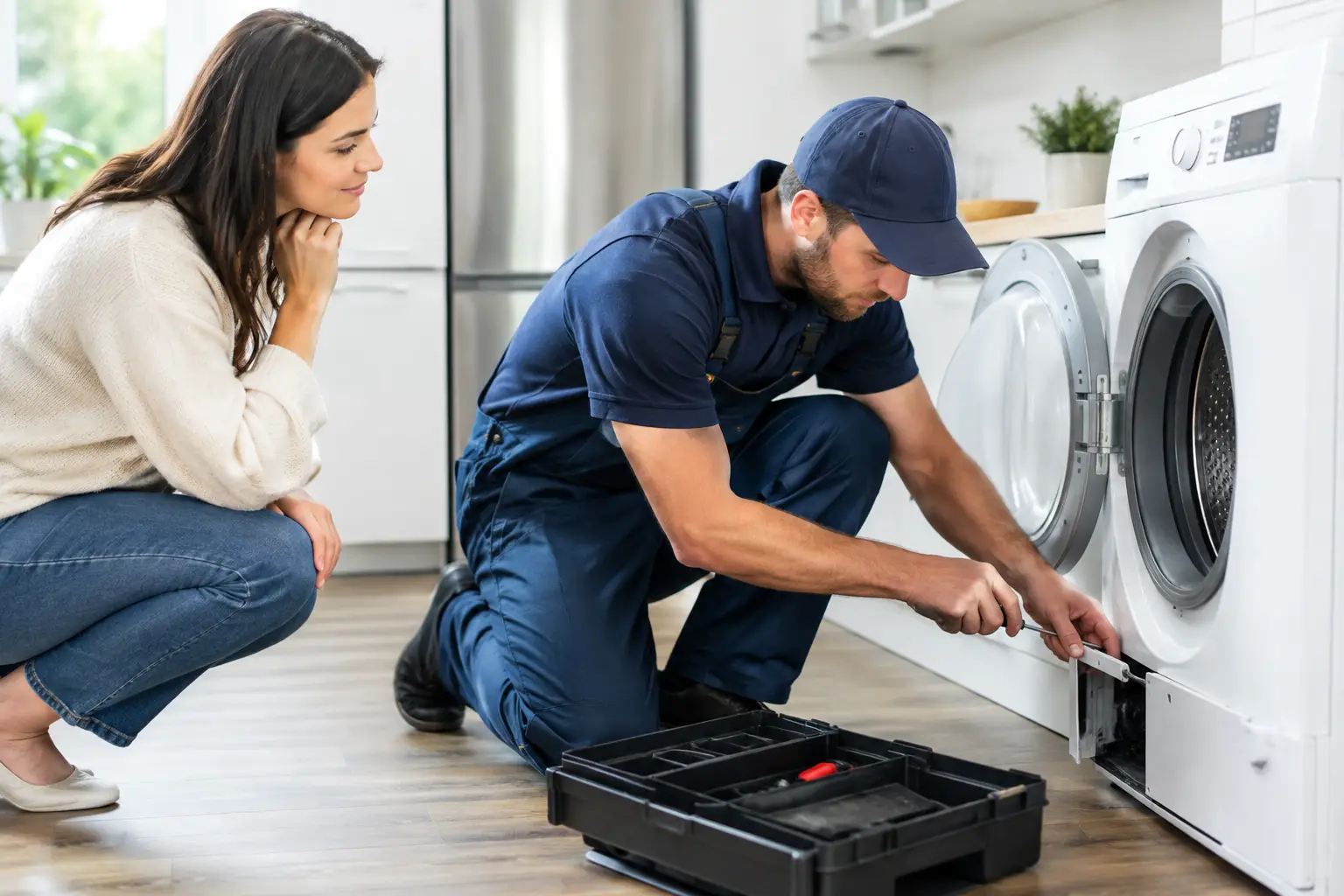
A refrigerator that stops cooling before a grocery run, a washer that quits with a full load inside, or an oven that will not heat before dinner creates the same immediate question: are appliance repairs worth it, or is it time to replace the unit? The right answer is rarely based on age alone. A clear diagnosis, the cost of the repair, and how well the appliance has otherwise performed matter more than a quick rule of thumb.
For many North Texas homeowners, a targeted repair is the practical choice. Replacing a major appliance can mean researching models, arranging delivery, updating connections, and waiting days or weeks for installation. When a dependable appliance needs a repair that restores safe, normal operation, repairing it can protect both your budget and your routine.
Are Appliance Repairs Worth It? Start With the Real Failure
An appliance can look like it has reached the end of its life when the actual problem is a failed switch, worn belt, clogged drain path, faulty heating element, damaged door seal, or malfunctioning control component. These parts can interrupt the entire machine, but they do not always mean the appliance itself is beyond saving.
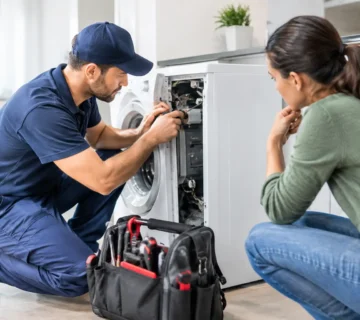
That is why an in-home diagnosis matters. A trained technician can determine whether the issue is isolated or whether it points to larger wear, recurring electrical problems, a refrigerant-system concern, or multiple failing components. Homeowners should not have to guess based on a noise, error code, or one frustrating symptom.
A repair is often worth considering when the appliance has been reliable until now, the issue has a defined cause, and the repair cost is substantially lower than replacement. It is also a strong option when the appliance is built into cabinetry, connected to gas, or part of a matched kitchen setup. Replacing those units can add installation and adjustment costs that are easy to overlook.
The Cost Test: Repair Price Compared With Replacement
The most useful comparison is not simply repair cost versus the price tag of a new appliance. Compare the complete cost of replacement with the full value of getting your current appliance running again.
Replacement expenses may include the new unit, delivery, removal of the old appliance, installation, new water, gas, or electrical connections, venting changes, trim adjustments, and time away from work. A wall oven, cooktop, range hood, or built-in dishwasher can require more planning than a freestanding appliance.
A common guideline is to consider replacement when a repair approaches half the cost of a comparable new unit. That is a helpful starting point, not a hard rule. A higher-quality refrigerator or range may be worth repairing even when the repair is more than half the cost of a basic replacement model. On the other hand, a low-cost washer with repeated breakdowns may not justify another major repair.
Ask for transparent, upfront pricing after the diagnosis. A clear estimate should explain what failed, what the repair involves, and whether there are signs of additional problems. That gives you a decision based on facts instead of pressure.
Consider the appliance’s expected service life
Age matters because every appliance has a typical operating range, but maintenance and usage can move that range considerably. A well-maintained appliance used by a small household may have plenty of useful life left. A similar model running several loads a day for a large family may wear faster.
Refrigerators, ovens, cooktops, and dryers often remain worthwhile repair candidates when they have had few prior issues. Dishwashers and washing machines can also be good repair candidates, especially for a single mechanical or electrical failure. The bigger concern is a pattern: multiple recent service calls, several unrelated failed parts, corrosion, major structural damage, or declining performance after previous repairs.
A technician can help put the appliance’s age into context. Ten years is not automatically too old, and three years is not automatically too new to have a significant issue. The condition of the machine and the nature of the failure tell the more useful story.
When Replacement Usually Makes More Sense
There are situations where replacement is the more responsible long-term decision. A repair may only delay a larger problem, especially if the appliance is unreliable, unsafe, or expensive to keep operating.
Replacement deserves serious consideration when the appliance has frequent breakdowns, has a major sealed-system or compressor failure, shows extensive rust or water damage, or needs several high-cost parts at once. Safety concerns should take priority as well. Gas odors, sparking, repeated breaker trips, overheating, damaged wiring, or a dryer that has venting-related fire risks require prompt professional attention. Do not keep using an appliance simply because it still turns on.
Efficiency can also affect the decision. An older refrigerator that runs constantly, a dryer that takes multiple cycles, or a washer that leaks can raise utility costs and create daily frustration. Still, efficiency alone does not always justify immediate replacement. A repair that corrects a worn seal, heating problem, airflow issue, or water-control failure may restore performance at far less cost than a new appliance.
The Appliance Type Changes the Decision
Not every appliance carries the same replacement cost, installation complexity, or urgency. That is why a repair decision should be specific to the unit in front of you.
Refrigerators and freezers
A refrigerator failure feels urgent because food safety is involved. Problems with ice makers, fans, defrost components, door seals, water lines, and control boards are often repairable. A failed compressor or sealed-system issue can be more costly, so the appliance’s age, brand, condition, and estimate become especially important.
Washers and dryers
Washers may stop draining, spinning, filling, or locking because of repairable pumps, belts, lid switches, hoses, valves, or control components. Dryers often have heating, airflow, drum, or sensor issues that can be resolved. If a dryer is taking too long to dry, the problem may involve the appliance or the venting path, and guessing can waste money.
Dishwashers and cooking appliances
Dishwashers can develop draining, leaking, circulation, heating, or latch problems that are often worth repairing. Ranges, ovens, cooktops, microwaves, and range hoods may need attention to igniters, heating elements, switches, fans, sensors, wiring, or control boards. Because gas and electrical connections are involved, professional service is the safer choice when the issue affects heat, ignition, or power.
Do Not Let a Small Problem Become a Larger One
Waiting can change the math. A refrigerator with a weak door gasket may work harder and strain components. A leaking dishwasher or washer can damage flooring and cabinets. A dryer with restricted airflow may take longer to dry and create a safety concern. An oven that heats unevenly may be manageable for a while, but an electrical issue should not be ignored.
Early service is not about repairing every minor inconvenience immediately. It is about identifying whether a small symptom is isolated, getting worse, or creating a safety risk. Prompt scheduling can often prevent extra damage and reduce the chance that a household appliance fails at the worst possible time.
Get an Honest Assessment Before You Decide
The best repair decision starts with a straightforward conversation. Explain when the problem began, whether it is constant or intermittent, any error codes you have seen, and any recent changes such as a power outage, move, installation, or water leak. Avoid disassembling gas or electrical components yourself. Photos of an error message or a short description of unusual sounds can also be helpful.
After diagnosis, ask whether the repair addresses the root cause, whether other components show significant wear, and what warranty applies to parts and labor. A dependable service provider should be comfortable explaining both the repair option and the reasons replacement may be smarter. Honest guidance is more valuable than being pushed toward the most expensive outcome.
IAS Appliance Solutions helps homeowners throughout North Texas make that call with clear diagnostics, upfront pricing, and repairs for major household appliances whenever a lasting repair is the sensible route.
A broken appliance disrupts more than a chore list. Before replacing it, get a professional assessment that gives you a clear path forward. The right repair can restore normal life quickly, while the right replacement decision can prevent you from putting more money into a machine that has truly reached its limit.




No comment