

A refrigerator that stops cooling before a busy week or a washer that quits with laundry piling up creates an immediate question: appliance repair versus replacement, which choice makes the most financial sense? The answer is rarely as simple as the appliance’s age. A reliable decision starts with an accurate diagnosis, the cost of the repair, the appliance’s condition, and how much longer it is likely to serve your household.
For many North Texas homeowners, repair is the faster, less disruptive option. But there are situations where putting money into an older or inefficient appliance only delays a necessary replacement. Here is how to look at the decision with clear expectations and no guesswork.
Appliance Repair Versus Replacement: Start With the Diagnosis
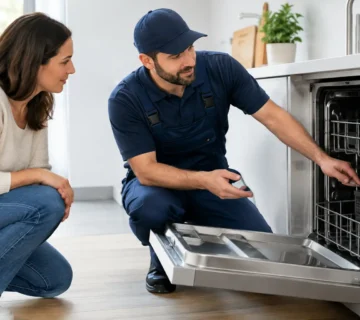
A symptom is not a diagnosis. A dishwasher that leaves dishes wet may have a failed heating element, a vent problem, or simply an issue with the rinse aid dispenser. A dryer that will not start could have a worn door switch, a thermal fuse issue, a damaged belt, or an electrical supply problem. Those repairs have very different costs and outcomes.
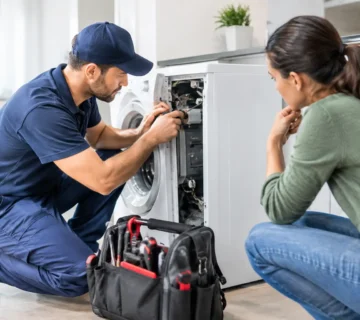
This is why homeowners should be cautious about deciding to replace an appliance based on one frustrating symptom. A trained technician can identify the failed component, check for related wear, and explain whether the repair is likely to restore dependable operation. An honest assessment should include the repair price before work begins, not a vague estimate after parts are ordered.
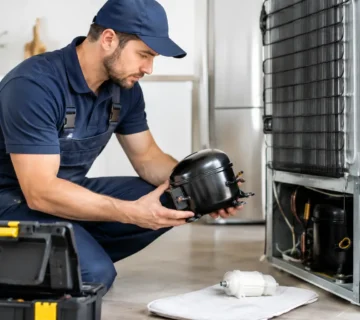
Repair is often a strong choice when the problem is isolated and the rest of the appliance is in good condition. Common examples include a faulty refrigerator fan motor, oven igniter, washer drain pump, dishwasher circulation component, dryer belt, or cooktop control issue. Replacing a single failed part can restore an appliance that otherwise has years of useful service ahead.
Consider Age, but Do Not Let It Decide Everything
Age provides context, not an automatic answer. A well-maintained appliance with one manageable failure may be worth repairing even if it is no longer new. On the other hand, a newer appliance with repeated electronic failures or an expensive sealed-system issue may not be a sensible repair investment.
As a general guideline, consider a repair more closely when the appliance is in the first half of its expected service life and the repair cost is modest compared with replacement. For many major appliances, that means a repair is often reasonable when it costs substantially less than half the price of a comparable new model.
That guideline has limits. A premium refrigerator may cost far more to replace than a basic model, making a higher repair cost reasonable. A built-in wall oven, cooktop, or range hood also involves installation and fit considerations that can make replacement more involved than the purchase price suggests. Conversely, an entry-level washer with multiple recurring problems may not justify another repair, even if each individual repair seems affordable.
The better question is not simply, How old is it? Ask, Is this a single repair on an otherwise dependable appliance, or one more expense in a pattern of failures?
Signs Repair Is Usually Worth Considering
Repair may be the practical choice when the appliance has performed reliably until now, the needed part is available, and the technician finds no major secondary damage. It is also worth considering when replacing the appliance would require changing cabinetry, venting, electrical connections, gas connections, or plumbing.
A repair can be especially sensible when household timing matters. Replacing a refrigerator or laundry pair may require shopping, delivery coordination, removal of the old unit, and possible installation changes. A prompt repair that can be completed on the first visit whenever possible may get the household back on track with far less interruption.
Signs Replacement May Be the Better Investment
Replacement becomes more compelling when repair costs are high and the appliance is already near the end of its expected lifespan. Frequent breakdowns are another warning sign. If a washer has required several repairs in a short period, or a refrigerator has repeated cooling issues, continuing to replace individual parts can become more expensive than choosing a new unit.
Energy and water use can also matter, particularly for refrigerators, washers, and dryers that run often. A modern replacement may lower operating costs over time, although those savings should be weighed realistically against the purchase price. Efficiency alone does not always justify replacing a functional appliance, but it can strengthen the case when a major repair is already needed.
Unavailable or discontinued parts may also make replacement necessary. This can happen with older control boards, specialty components, and certain discontinued models. A qualified technician can confirm whether a dependable repair is possible before you spend time searching for parts that may not work or may not be compatible.
Safety and Installation Can Change the Decision
Not every appliance failure is just an inconvenience. Gas odors, sparking, burning smells, repeated breaker trips, smoke, or signs of water leaking near electrical connections deserve immediate attention. Stop using the appliance and seek professional help. These situations should not be treated as a do-it-yourself troubleshooting project or delayed until a convenient time.
Gas ranges, cooktops, ovens, and dryers require special care because a repair or replacement may involve gas connections, ignition components, ventilation, and proper installation. Likewise, a replacement dishwasher or washer may need secure water-line connections and correct drain setup to avoid leaks and property damage.
When replacement is the right choice, installation quality matters as much as the appliance itself. A new unit that is improperly connected, unlevel, poorly vented, or incorrectly fitted can create performance problems from day one. Planning for installation before purchase helps avoid surprises with opening dimensions, electrical requirements, water supply lines, and gas connections.
Look Beyond the Sticker Price
The price of a new appliance is only one part of replacement cost. Delivery, haul-away, installation, connection parts, changes to cabinetry, electrical updates, new venting, and disposal can all affect the total. Built-in appliances may require even more planning if a current model’s dimensions no longer match the existing space.
Repair has its own value beyond the initial cost. If a technician can identify the issue quickly, has common parts available, and completes the work promptly, you may avoid days or weeks without a working appliance. For a family managing school schedules, remote work, meals, or frequent laundry, that convenience has real value.
At the same time, a low repair price is not always a good value if it addresses only one of several developing issues. Ask the technician whether the failed part appears to be an isolated problem and whether there are signs of significant wear elsewhere. Clear answers help you make the decision based on likely results, not pressure.
Questions to Ask Before You Approve a Repair
A good service visit should leave you with enough information to decide confidently. Ask what failed, why it likely failed, and whether the repair is expected to resolve the full issue. Ask whether other components show significant wear, whether the part is covered by a warranty, and what the total approved price includes.
If replacement is being considered, ask whether the current appliance has installation requirements that could affect your options. This is particularly useful for wall ovens, cooktops, dishwashers, gas appliances, and stacked washer-and-dryer units. Knowing those details before ordering a replacement can prevent a delivery-day problem.
IAS Appliance Solutions helps homeowners make this decision with straightforward diagnostics, upfront pricing, and experienced service across major household appliance brands. The goal is not to push a replacement when a lasting repair makes sense, or to recommend a repair when replacement would better protect your budget.
A broken appliance is stressful enough without wondering whether you are making the wrong call. Start with a clear diagnosis, weigh the full cost and expected life of the appliance, and choose the option that restores dependable function with the least disruption to your home.




No comment