A refrigerator that stops cooling or a washer that will not drain creates an immediate problem. But once the repair is complete, many homeowners have a second question: what happens if it fails again? Understanding an appliance repair warranty parts labor policy helps you know what protection you are receiving, what to keep in your records, and what to ask before authorizing a repair.
A warranty should make a repair feel more secure, not more complicated. The key is clarity. You should know whether the replacement part is covered, whether the technician’s labor is covered, how long coverage lasts, and what circumstances may fall outside the warranty.
What a Parts-and-Labor Warranty Usually Covers
A repair warranty generally applies to the specific work performed during your service appointment. If a technician diagnoses a failed dishwasher circulation pump, installs a replacement pump, and tests the dishwasher, the warranty may cover that installed pump and the labor associated with correcting a qualifying failure of that same repair.
Parts coverage protects the replacement component itself. Labor coverage protects the technician’s time needed to address a covered issue with that component or repair. Both matter. A part can be under a manufacturer warranty while the labor needed to access, install, test, or replace it is not. That distinction can affect your out-of-pocket cost.
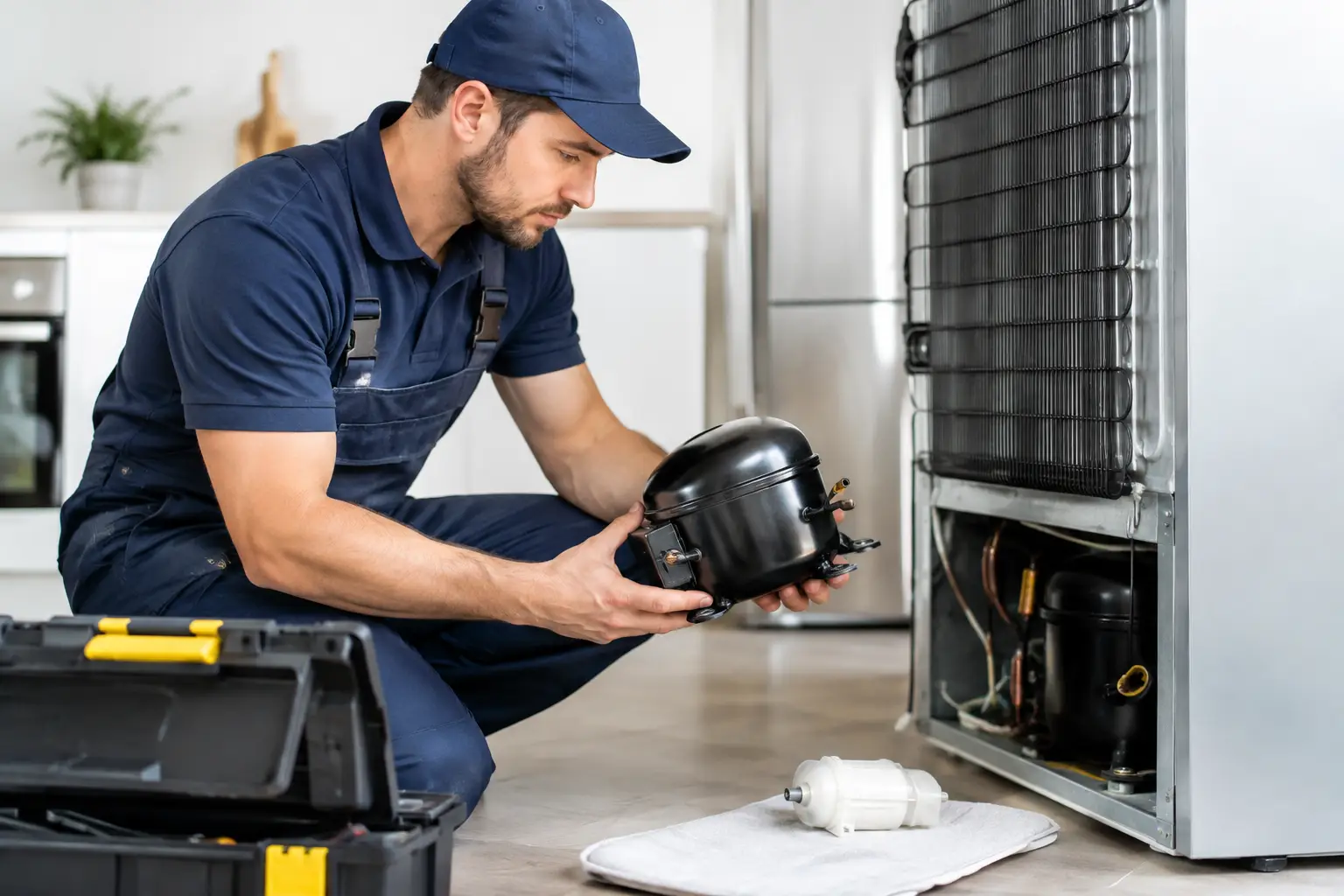
For homeowners, a parts-and-labor warranty is especially valuable because appliance repairs often involve more than swapping one visible piece. A dryer heating issue may require testing the heating element, thermostat, thermal fuse, wiring connections, and airflow. A refrigerator cooling problem may involve a fan motor, control board, defrost system, or sealed-system concern. Professional diagnosis and correct installation are a meaningful part of the repair.
The coverage should relate to the original diagnosed failure and the work completed. It does not usually turn an appliance repair into unlimited protection for every future problem the appliance may develop.
What Is Commonly Not Covered
A clear warranty has boundaries. Those boundaries are not a sign that a repair company is avoiding responsibility. They help separate a defective replacement part or workmanship concern from a new, unrelated appliance failure.
For example, a washer may be repaired for a failed drain pump and later develop a problem with its lid lock. The lid lock is a different component with a different failure. Likewise, replacing an oven igniter does not guarantee that a separate electronic control board will never fail later.
Warranty exclusions can also apply when an appliance is damaged by conditions outside the original repair. Common examples include power surges, water damage, pest damage, improper use, restricted dryer venting, gas supply concerns, or changes made by another service provider after the repair. Cosmetic damage, pre-existing problems, and normal wear on aging components may also fall outside coverage.
The practical takeaway is simple: ask what the warranty covers before service begins, and ask whether any existing conditions could affect the appliance after the repair. An honest assessment helps you make a sound decision, particularly when an appliance has multiple worn components or is nearing the end of its expected service life.
Parts Warranty vs. Labor Warranty
These terms are often grouped together, but they answer different questions.
A parts warranty addresses whether the replacement component is protected if it proves defective under the warranty terms. The length of coverage may depend on the part manufacturer, the type of part, and the repair provider’s policy. In some cases, a manufacturer may offer its own limited warranty for a component.
A labor warranty addresses the work performed to install and verify that component. It can cover the return service needed when the same repair does not hold up as expected under normal use. Without labor coverage, a homeowner could still pay for a technician to return even if the part itself is replaced at no charge.
Ask for both details in plain language. A reliable provider should be able to explain the warranty period, whether coverage begins on the service date, and whether a follow-up visit for the same issue is included. You should not have to guess what your invoice means after the technician leaves.
Questions to Ask Before Approving a Repair
Most appliance repairs are easier to evaluate once you have a diagnosis, an upfront price, and warranty terms. Before approving the work, ask the technician to explain whether the proposed repair resolves the root cause or addresses one symptom of a larger issue.
It also helps to ask whether the part is new, manufacturer-original, or an approved replacement option. For some appliances and repairs, the choice of part can affect availability, price, and warranty conditions. A qualified technician can explain the trade-offs without pressuring you into a decision.
You should also confirm what happens if the appliance shows the same symptoms shortly after the repair. Ask whether the company will re-evaluate the original issue, what documentation you should keep, and whether diagnostic fees, travel charges, or additional work could apply if the new problem is unrelated.
These questions are not confrontational. They are part of making an informed home-service decision. A transparent repair company expects them.
Why Documentation Matters
Keep your invoice, service agreement, and any notes describing the repair. These documents establish the service date, the appliance model, the diagnosed issue, the parts installed, and the warranty terms. A photo of the invoice stored on your phone is often enough to prevent a frustrating search months later.
Documentation is particularly helpful for major kitchen and laundry appliances because the same symptom can have several causes. A refrigerator that is warm inside could have a failing evaporator fan, dirty condenser coils, a defrost problem, a control issue, or a door-seal concern. Knowing what was previously tested and replaced helps the next service visit start from the right place.
It is also wise to record the appliance model and serial number before a service call. For built-in ovens, cooktops, range hoods, and dishwashers, that information can help confirm compatible parts and reduce delays. When a service vehicle arrives prepared with common replacement parts, a clear model number and accurate diagnosis improve the chances of completing the repair on the first visit.
When Repair Coverage Should Influence Your Decision
A warranty is one factor in deciding whether to repair or replace an appliance. It should not be the only one. The appliance’s age, overall condition, repair cost, expected remaining life, part availability, and energy performance all deserve consideration.
A relatively new washer with a failed control board may be a strong repair candidate when the rest of the machine is in good condition and the repair includes parts-and-labor protection. An older refrigerator with repeated cooling failures may call for a more careful conversation, especially if multiple costly components are beginning to fail.
The right answer depends on the appliance and the diagnosis. A good technician will explain the repair option honestly, including whether there are signs that another major repair may be likely. That information gives you control over the decision rather than leaving you with a surprise after work is complete.
Appliance Repair Warranty Parts Labor: What Good Service Looks Like
For homeowners in North Texas, fast service matters, but speed should not come at the expense of a clear repair plan. A dependable warranty process begins with accurate diagnosis, transparent pricing, and written details about the work performed. It continues with responsive support if the original repair needs attention.
IAS Appliance Solutions provides warranty protection on parts and labor as part of its focus on lasting repairs and straightforward service. Whether the issue involves a dishwasher, oven, cooktop, refrigerator, washer, or dryer, the goal is to restore normal household routines with minimal disruption and no confusion about what was repaired.
Before scheduling any repair, write down the symptoms you are seeing, including error codes, unusual sounds, leaks, odors, or changes in performance. Then ask for the warranty terms in clear language. A repair backed by experienced workmanship, the right replacement part, and understandable coverage gives you more confidence when your household depends on that appliance working again.



No comment