A refrigerator that stops cooling before a busy week or a washer that quits with a full load inside creates an immediate question: professional versus DIY appliance repair – which choice will get your household back on track without creating a larger problem? The answer depends on the appliance, the symptoms, the safety risk, and whether the fix is truly simple or only appears to be.
For many North Texas homeowners, a few basic checks can save time and a service call. But appliances combine electricity, water, heat, moving parts, sensitive electronics, and, in some cases, natural gas. Knowing where to stop is often the most valuable part of the decision.
Professional Versus DIY Appliance Repair: Start With the Risk
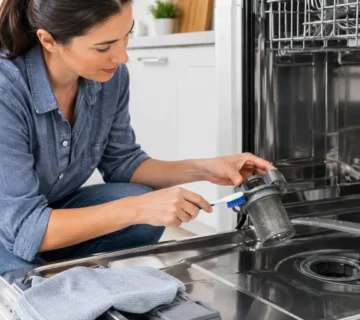
DIY repair makes the most sense when the task is low-risk, the cause is clear, and no major appliance components need to be removed or tested. Think of cleaning a clogged dishwasher filter, clearing lint from a dryer vent, replacing a refrigerator water filter, or checking whether a tripped breaker caused an outlet to lose power.
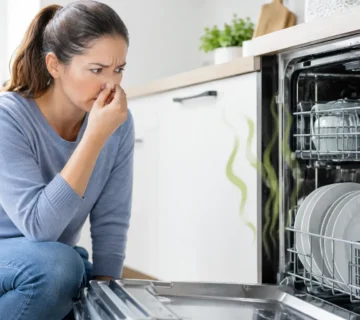
A professional diagnosis is the better route when the appliance has an unclear failure, requires disassembly, involves a gas connection, or has signs of electrical trouble. A burning smell, repeated breaker trips, sparking, leaking water near electrical parts, a gas odor, or a dryer that becomes unusually hot are reasons to stop using the appliance and arrange service.
The issue is not whether a homeowner is capable of following instructions. It is whether the repair can be confirmed safely and correctly. A replacement part may be inexpensive, but installing the wrong part, damaging a wiring harness, or overlooking the actual cause can turn a manageable repair into a more expensive one.
Repairs Homeowners Can Often Handle Safely
Before scheduling service, start with the simple checks that do not require opening a cabinet, removing panels, or handling electrical connections. Confirm that the appliance has power, the door is fully latched, and the relevant breaker has not tripped. Check the owner’s manual for error-code guidance and recommended maintenance.
For a dishwasher that leaves dishes dirty, cleaning the filter and spray arms may resolve the issue. For a washer that will not drain, checking for a kinked drain hose can be worthwhile. If a refrigerator water dispenser slows down, a filter replacement may be the answer. With dryers, cleaning the lint screen after every load and keeping the exterior vent clear supports safe, efficient operation.
These steps are practical because they address routine maintenance and visible obstructions. They do not require guessing about failed motors, sensors, valves, control boards, heating elements, or switches.
There is also a useful rule for replacement parts: if you cannot confidently identify the failed component and verify the exact model-compatible part, pause before ordering. Similar-looking parts are not always interchangeable, especially across major brands and model generations.
When a Technician Is Worth the Call
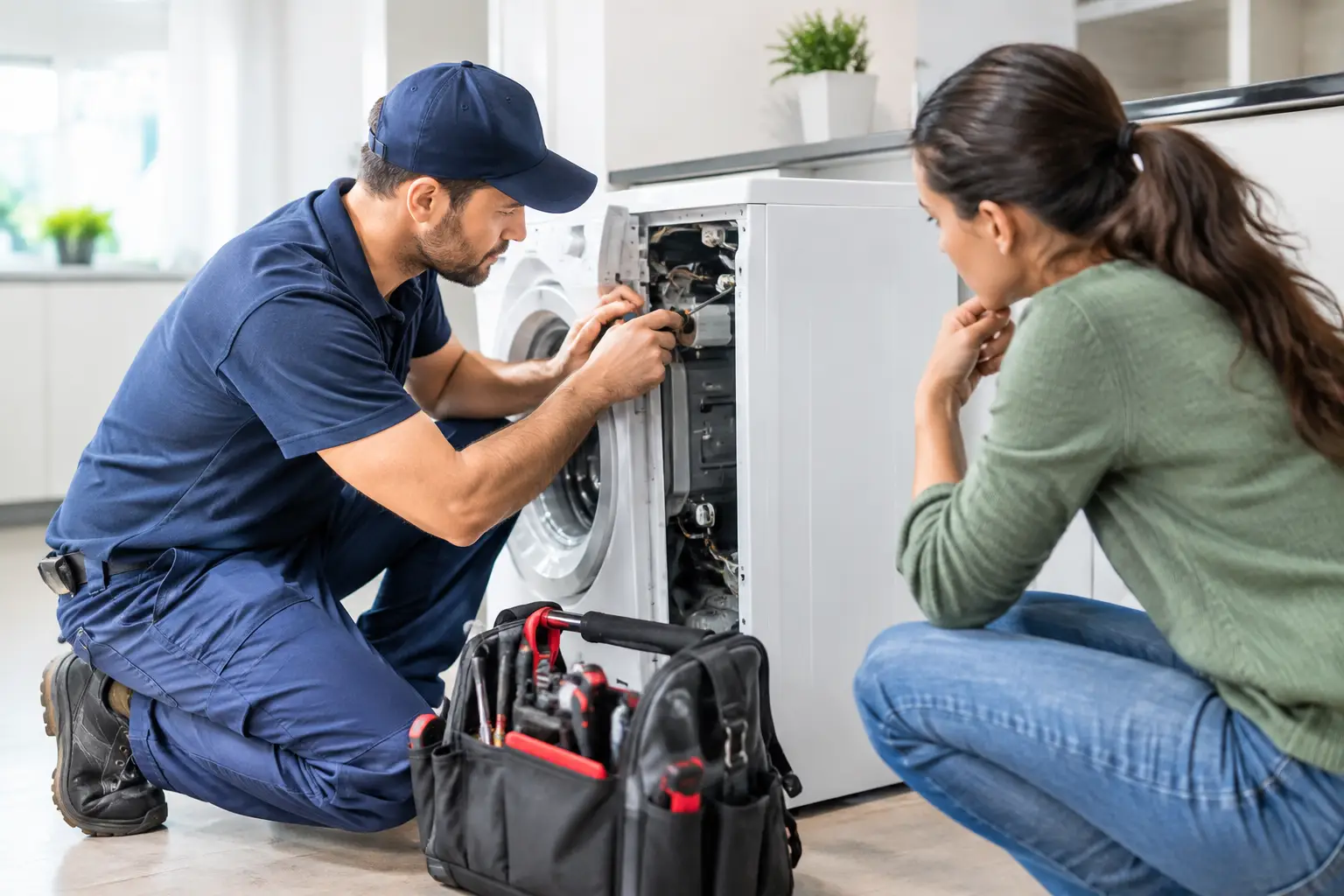
A professional appliance repair visit is usually the smarter investment when diagnosis is the hard part. Modern appliances can display one symptom while the real problem sits elsewhere. A refrigerator may not cool because of an airflow issue, a fan motor, a defrost component, a sensor, or an electronic control. A dryer that will not heat may have a failed heating component, a thermal safety device, a power supply issue, or restricted venting.
Without accurate testing, replacing the most obvious part can become a cycle of trial and error. That approach costs money, delays the repair, and may not restore reliable performance.
Professional service is especially appropriate for:
- Gas ranges, ovens, cooktops, and any appliance with a gas connection
- Electrical faults, control board concerns, wiring damage, or breaker problems
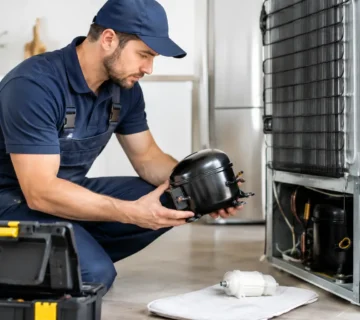
- Refrigerant-system concerns or persistent refrigerator cooling failures
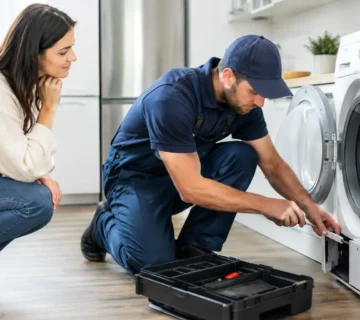
- Water leaks from dishwashers, washers, refrigerators, or ice makers
- Built-in, wall-mounted, or heavy appliances that require careful removal and reinstallation
- Recurring failures after a reset, cleaning, or basic maintenance step
These repairs often require specialized diagnostic tools, manufacturer knowledge, and safe access to components. They may also involve protecting cabinetry, flooring, countertops, and surrounding connections during the work.
Gas, heat, and water are not DIY shortcuts
Gas appliance repair deserves a firm boundary. If you smell gas, leave the area, avoid switches and open flames, and follow your gas provider’s emergency guidance. Do not attempt to locate or repair a gas leak yourself.
Likewise, an oven, cooktop, microwave, or dryer can retain electrical hazards even after it appears to be off. Water leaks can damage floors and cabinets long before they become obvious. Fast, qualified service helps limit both the safety risk and the secondary damage.
Consider the Real Cost, Not Only the Service Call
The DIY option can appear less expensive because there is no labor charge at the start. Yet the true cost includes your time, the correct part, tools you may use once, delivery delays, and the possibility of buying a part that does not solve the problem.
Professional repair has an upfront cost, but it also provides a diagnosis, a defined repair plan, and accountability for the work. A technician can assess whether repair is sensible based on the appliance’s age, condition, likely repair cost, and the availability of replacement parts. That honest assessment matters when the repair approaches the value of a replacement appliance.
Warranties are another consideration. Some appliance warranties restrict unauthorized repairs, and a DIY mistake can complicate a later claim. Professional repairs with parts-and-labor warranty protection give homeowners more confidence that a covered issue will be addressed if it returns.
The best choice is not always the cheapest option today. It is the option most likely to restore safe, dependable operation with the fewest disruptions to your household.
A Practical Decision Checklist
Ask yourself three questions before taking the next step. First, is the problem clearly routine maintenance, such as a dirty filter or blocked lint screen? Second, can you complete the task without disconnecting gas, opening electrical panels, moving a heavy appliance, or removing major components? Third, if the first attempt fails, will you know what to test next?
If the answer to any of those questions is no, professional service is generally the more efficient choice. This is particularly true for households that rely on a refrigerator for groceries, a washer and dryer for daily laundry, or a working oven for family meals. Waiting several days for a guessed-at part can be more disruptive than scheduling a diagnostic visit.
Take a photo of any error code, note when the problem started, and write down what the appliance does or does not do. For example, mention whether a dishwasher fills but will not wash, whether a washer drains but will not spin, or whether a refrigerator runs continuously without reaching temperature. Clear details help a technician arrive prepared.
What to Expect From Professional Appliance Service
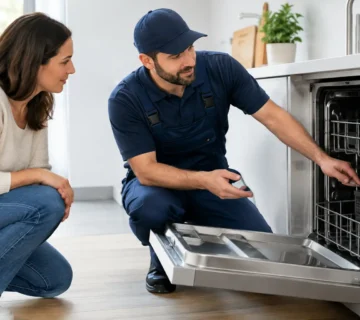
A straightforward service process should reduce uncertainty, not add to it. After you describe the issue and schedule an appointment, the technician diagnoses the appliance in your home, explains the findings in clear terms, and provides pricing before repair work begins. You should know what is being repaired, why it failed, and what the recommended solution costs.
For common repairs, a well-stocked service vehicle can make same-visit completion possible. When a special-order part is needed, a clear explanation of the timeline helps you plan around the interruption. The goal is not to pressure you into a repair. It is to give you enough information to make a confident decision.
IAS Appliance Solutions serves homeowners throughout Frisco, Plano, McKinney, Denton, and surrounding North Texas communities with honest assessments, transparent pricing, and experienced repair support across major household appliances.
A careful homeowner can handle maintenance and a few basic fixes. For everything that involves uncertain diagnosis, gas, electricity, water, heat, or major disassembly, choosing qualified help is a practical way to protect your appliance, your home, and your time.

No comment