
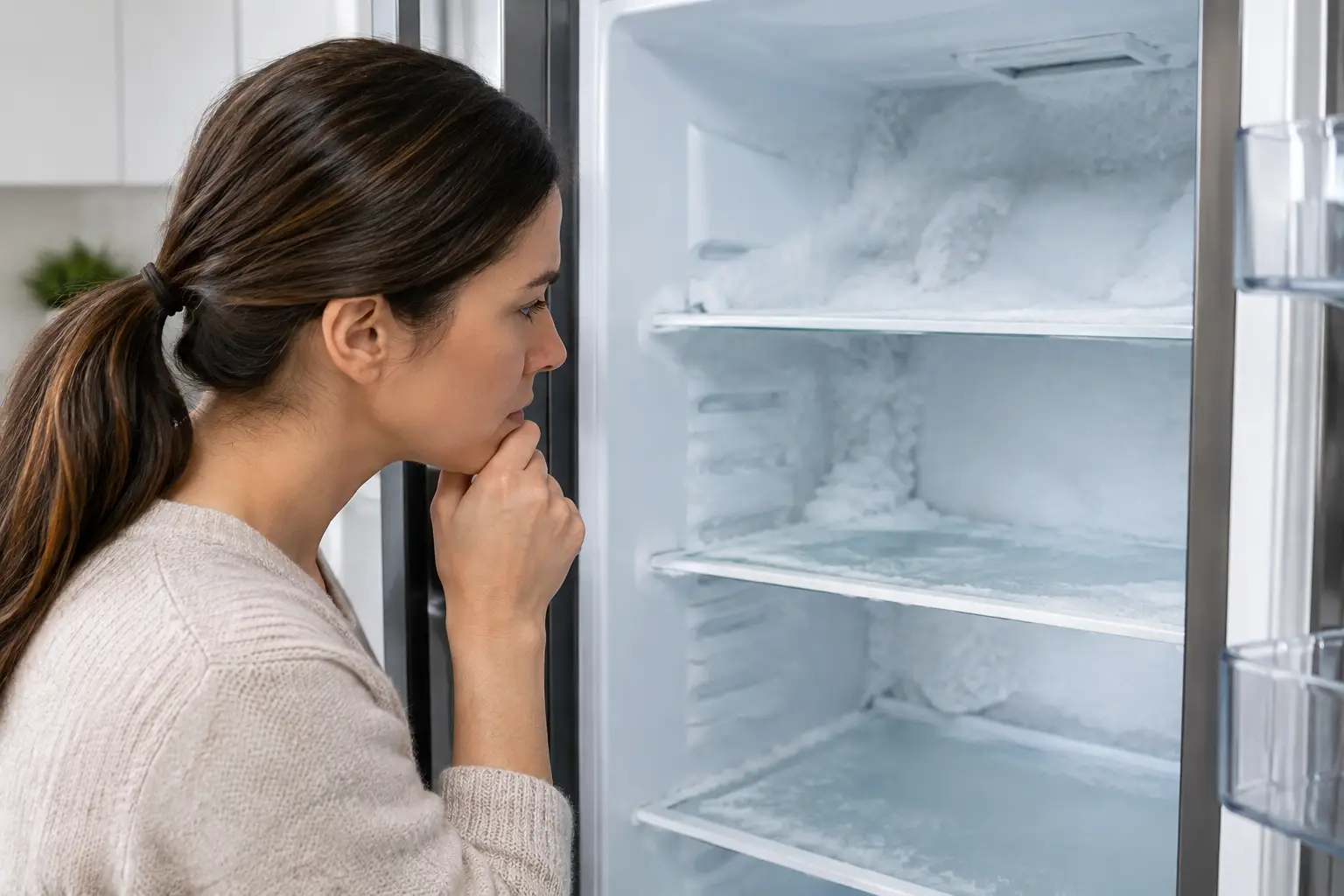
A light coating of frost on a package that has been in the freezer for months is one thing. Frost that keeps returning to the freezer walls, door frame, vents, or refrigerator compartment is another. Refrigerator frosting causes are often tied to warm, humid air entering the appliance or a defrost system that is no longer clearing ice as designed. The faster you identify the pattern, the better chance you have of avoiding spoiled food, poor cooling, and a larger repair.
Why Frost Is More Than a Cosmetic Problem
Your refrigerator is designed to move heat out of the cabinet while maintaining a cold, controlled environment inside. When humid household air gets into that environment, its moisture freezes on the coldest surfaces. A small amount may seem harmless, but ongoing frost can block airflow and force the refrigerator to run longer than normal.
In a frost-free refrigerator, ice can also build up behind the freezer’s rear interior panel, where you may not see it right away. That hidden ice can cover the evaporator coils and prevent cold air from circulating into the fresh-food section. A freezer may still feel cold while milk, produce, or leftovers in the refrigerator compartment become warmer than they should.
The cause matters because not every frost problem calls for the same solution. A door that is not closing fully may need a simple adjustment. A failed defrost component, damaged gasket, or control issue needs accurate diagnosis before replacing parts.
The Most Common Refrigerator Frosting Causes
A door gasket that is dirty, torn, or no longer sealing
The rubber gasket around the refrigerator or freezer door creates an airtight seal. If it is cracked, warped, loose, or coated with crumbs and residue, warm kitchen air can enter every time the appliance runs. That moisture eventually becomes frost.
Look closely for visible tears, flattened sections, or a portion of the gasket pulling away from the door. Wipe the gasket and the surface it contacts with a mild soap-and-water solution, then dry both thoroughly. Also check whether a shelf, food container, or overfilled door bin is preventing the door from closing all the way.
A simple paper test can offer a clue. Close the door on a sheet of paper and gently pull it out. If it slides freely at several points around the gasket, the seal may be weak. This is only an indicator, not a full diagnosis, since door alignment and gasket condition both affect the result.
The door is being opened often or left ajar
Busy kitchens put refrigerators through a lot. Repeated door openings, especially during meal prep or when children are grabbing snacks, allow humid air inside. North Texas humidity can make the effect more noticeable during warmer months.
A door left slightly open for even a short period can create a surprising amount of frost. Many refrigerators have a door alarm, but it may not sound if the door is nearly closed or if the model does not include that feature. Before assuming a mechanical failure, confirm that nothing inside is pushing against the door and that the appliance is level enough for the door to close properly.
Food is blocking air vents
Cold air has to travel between the freezer and refrigerator compartments. When packages are stacked against vents or packed tightly against the rear wall, airflow can become restricted. That can create unusually cold spots, frost near a vent, uneven temperatures, and food that freezes in the refrigerator section.
Leave a small amount of open space around visible vents and avoid pressing bags or boxes against the back of the freezer. This is especially useful after a large grocery trip, when an overfilled freezer can disguise an airflow problem.
A defrost system problem
Most modern refrigerators use an automatic defrost system. At scheduled intervals, the system warms the evaporator coils just enough to melt normal frost, then channels the water away through a drain. If a defrost heater, sensor, thermostat, timer, control board, or wiring connection fails, ice can continue accumulating on the coils.
One common sign is a freezer that appears to work while the refrigerator compartment gets too warm. You may hear the fan running, but little cold air is reaching the fresh-food side because ice is blocking the evaporator area. Heavy frost on the rear freezer panel is another strong sign.
Unplugging the refrigerator and allowing it to thaw can temporarily restore cooling, but it does not repair the failed component. If the frost returns in days or weeks, the underlying issue still needs attention. Repeated manual defrosting can also create water leaks and unnecessary disruption for your household.
A clogged or frozen defrost drain
During normal defrost cycles, melted water flows through a drain opening and tube into a pan beneath the refrigerator. If that passage is clogged with debris or frozen over, water may back up and refreeze inside the freezer. You might see a sheet of ice on the freezer floor, ice near the bottom rear panel, or water leaking onto the kitchen floor.
This issue can look similar to a defrost failure, but the repair approach is different. Clearing a drain may sound straightforward, yet accessing it on many models requires removing panels near electrical components, fans, and delicate evaporator coils. For homeowners, it is usually safer to protect food, avoid chipping ice with sharp tools, and have the appliance inspected.
Incorrect temperature settings or a temperature-control issue
For most homes, the refrigerator compartment should stay at or below 40 degrees Fahrenheit, while the freezer should be set to 0 degrees Fahrenheit. Turning controls to the coldest setting does not always solve a cooling concern. In some cases, it can create excess frost on food and surfaces while masking a sensor, damper, or control problem.
Use an appliance thermometer to verify actual temperatures rather than relying only on the display or dial. If temperatures fluctuate, the refrigerator runs constantly, or food freezes in the fresh-food compartment, a technician may need to test the control system and airflow components.
What You Can Check Safely Before Scheduling Service
Start by protecting your food. If the refrigerator is above 40 degrees Fahrenheit for more than two hours, move perishable items to a cooler with ice or another working refrigerator. Then check that both doors close fully, clean the gaskets, make sure vents are not blocked, and confirm the temperature settings are reasonable.
You can also listen for changes in normal operation. A fan that is unusually loud, a refrigerator that runs almost nonstop, or clicking sounds followed by weak cooling can help narrow down the concern. Take a few photos of frost locations before moving food or thawing the unit. Those details can be useful during a service visit.
Do not use knives, screwdrivers, or other sharp tools to break ice loose. It is easy to puncture an evaporator coil or damage a plastic liner, turning a repairable issue into a much more expensive problem. Avoid using a hair dryer near wiring or standing water as well.
When Refrigerator Frost Needs Professional Diagnosis
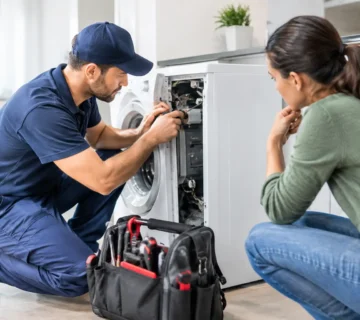
Service is a practical next step when frost quickly returns after you clean the gasket and correct obvious door or storage issues. It is also time to schedule help if the refrigerator compartment is warm, water is leaking, the rear freezer wall is heavily frosted, or the appliance is running continuously.
An experienced technician can determine whether the problem is a door seal, drain restriction, fan issue, defrost heater, sensor, control board, or another component. That distinction protects you from paying for parts that do not address the real cause. For homeowners in Frisco, Plano, McKinney, Denton, and nearby North Texas communities, IAS Appliance Solutions can provide an honest assessment, upfront pricing, and a repair plan built around restoring reliable cooling with minimal disruption.
A refrigerator should support your routine, not force you to rearrange meals around melting ice and uncertain temperatures. Address recurring frost early, keep the doors and vents clear, and let a qualified technician handle faults that require testing beyond a safe visual check.



No comment