
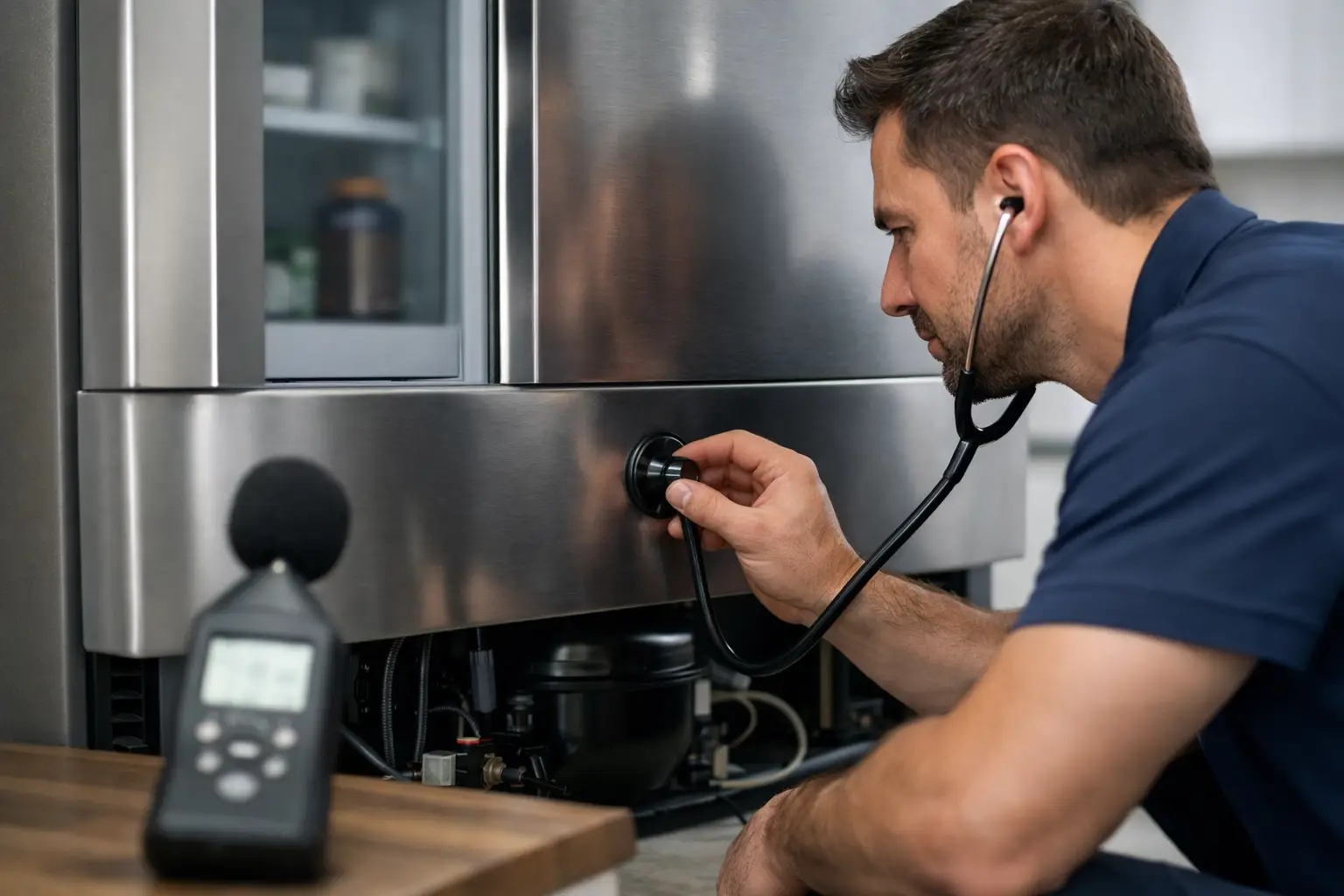
A refrigerator that suddenly gets loud can make a kitchen feel like a problem is already underway. The good news is that refrigerator noise diagnosis often starts with a simple question: Is the sound part of normal operation, or is it new, persistent, and paired with a cooling problem? Knowing the difference can help you avoid unnecessary worry while acting quickly when your food and appliance are at risk.
Most refrigerators make some noise during a normal day. Compressors cycle on, fans move air, ice makers fill, and parts expand or contract as temperatures change. What deserves attention is a sound that is noticeably louder than usual, repeats constantly, begins after a power outage or move, or comes with warm compartments, frost buildup, leaks, or a rising electric bill.
Start Refrigerator Noise Diagnosis With Timing
The timing of a noise is often as useful as the sound itself. A brief hum when the refrigerator starts cooling is expected. A click followed by a low hum may also be normal as the compressor begins a cycle. If the hum becomes unusually loud, runs almost constantly, or stops only after the refrigerator is unplugged, a technician should evaluate the system.
Listen for where the sound seems strongest. Noise from the rear lower area can point to the compressor, condenser fan, or drain pan. Sound inside the fresh-food or freezer compartment may involve the evaporator fan, air circulation, or ice maker. A rattle underneath can be as simple as an uneven refrigerator or a loose component, but it should still be checked rather than ignored.
Before moving the appliance, protect the floor and avoid pulling it hard against its water line or power cord. If the refrigerator is not cooling properly, keep doors closed as much as possible and arrange service promptly. Food safety becomes the priority when temperatures rise.
What Common Refrigerator Sounds Can Mean
A steady hum or louder-than-usual buzzing
A light, steady hum is commonly the compressor and is usually normal. A loud buzz that continues for long periods may mean the appliance is working harder than it should. Dirty condenser coils, poor airflow around the unit, a failing fan motor, worn door gaskets, or a control issue can all contribute.
In North Texas, refrigerators may run longer during hot weather, especially when they are installed in garages, utility rooms, or kitchens that receive direct afternoon sun. That added workload does not automatically mean a component has failed. However, extended run times combined with weak cooling, hot exterior surfaces, or a change in sound should not be dismissed as seasonal.
Repeated clicking
An occasional click can occur when electrical components switch on or off. Repeated clicking every few minutes, particularly when the refrigerator is warm inside, is more concerning. It can indicate that the compressor is struggling to start, or that a start relay, overload protector, control board, or compressor-related component needs testing.
This is not a repair to guess at. Several issues can create the same clicking symptom, and replacing the wrong part adds cost without restoring reliable cooling. An in-home diagnosis identifies the actual source before a repair recommendation is made.
Rattling, vibrating, or shaking
Rattling is often caused by vibration rather than a major internal failure. A refrigerator that is not level may vibrate against cabinetry, flooring, or a nearby wall. A loose rear access panel, drain pan, or water line can also make a noticeable rattle when the compressor starts.
You can check that the appliance is not touching the wall or cabinets and that items on top are not vibrating. If the noise remains, grows louder, or seems to come from behind the unit, professional service is the practical next step. A technician can inspect mounting points, fan assemblies, and components that are not safely accessible during a basic homeowner check.
Squealing, chirping, or high-pitched whirring
A squeal or chirp is not a sound to wait on for long. It can point to a fan motor with worn bearings or a fan blade that is rubbing against ice, insulation, or another part. In a freezer, frost buildup around the evaporator fan can create a loud whirring or scraping noise that changes when the door is opened.
Ignoring a failing fan can lead to uneven cooling, excess frost, and strain on the refrigeration system. A service visit can determine whether the issue is limited to a fan motor or blade, or whether a defrost-system problem is allowing ice to interfere with airflow.
Grinding, scraping, or knocking
Grinding and scraping are generally warning sounds, especially when they repeat each time the refrigerator cools. A blade may be contacting ice or a housing, a motor may be failing, or an ice maker mechanism may be binding. Knocking can also occur when water lines shift during an ice maker fill cycle.
A single clunk as the refrigerator starts or stops may be less urgent than a constant scrape. The key is whether the sound is new and whether cooling performance has changed. If the freezer is frosting over, ice production has stopped, or food in the fresh-food section is getting warm, schedule service rather than waiting for a complete breakdown.
Hissing, dripping, or gurgling
Hissing and gurgling can sound alarming, but they are often normal. Refrigerant moving through the sealed system and water draining during a defrost cycle can produce these sounds. A brief hiss may also occur as pressure equalizes after the compressor shuts off.
The situation changes if hissing is continuous, unusually loud, or accompanied by poor cooling, oily residue, or a chemical odor. Do not attempt to access sealed refrigeration components yourself. Those systems require proper equipment and trained service to diagnose safely and accurately.
Check the Simple Causes Without Taking Risks
A few observations can make a service call more efficient. Note when the noise occurs, whether it is coming from the freezer or rear of the appliance, and whether opening a door changes it. Check for visible frost, water on the floor, a damaged door gasket, or crowded vents inside the refrigerator that could restrict airflow.
Make sure the refrigerator has reasonable clearance from the wall and is not wedged tightly between cabinets. If it has an ice maker, notice whether the sound happens during ice production or water filling. These details help narrow the diagnosis, but they do not replace testing electrical parts, motors, controls, and cooling performance.
Avoid removing panels, handling wiring, or using sharp tools to break up freezer ice. Those actions can damage the appliance, create an electrical hazard, or puncture a sealed component. A short-term fix can become a more expensive repair if the underlying cause is not addressed.
When Refrigerator Noise Needs Prompt Service
A noisy refrigerator is more urgent when it is no longer holding safe temperatures. Move perishable food to another refrigerator or a cooler if the fresh-food compartment feels warm, the freezer is thawing, or the unit has stopped running normally. Water leaking near electrical connections, a burning smell, smoke, or a repeatedly tripped breaker calls for immediate disconnection from power and professional help.
It is also wise to schedule service when a noise comes and goes but keeps returning. Intermittent fan, defrost, compressor-start, and control problems can worsen over time. Early repair may protect stored food and prevent a smaller component issue from placing added stress on the entire refrigerator.
For homeowners in Frisco, Plano, McKinney, Denton, and nearby North Texas communities, IAS Appliance Solutions provides clear in-home assessments for major refrigerator brands. The goal is straightforward: identify what is making the noise, explain the repair options and upfront cost, and restore dependable cooling with as little disruption as possible.
A refrigerator does not need to be silent to be healthy, but it should sound familiar and cool consistently. When the sound changes, trust that observation and arrange a professional evaluation before a minor warning becomes a kitchen emergency.


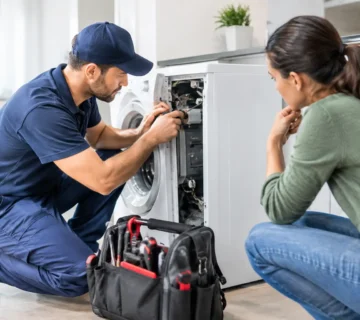

[…] in normal operation. A fan that is unusually loud, a refrigerator that runs almost nonstop, or clicking sounds followed by weak cooling can help narrow down the concern. Take a few photos of frost locations […]