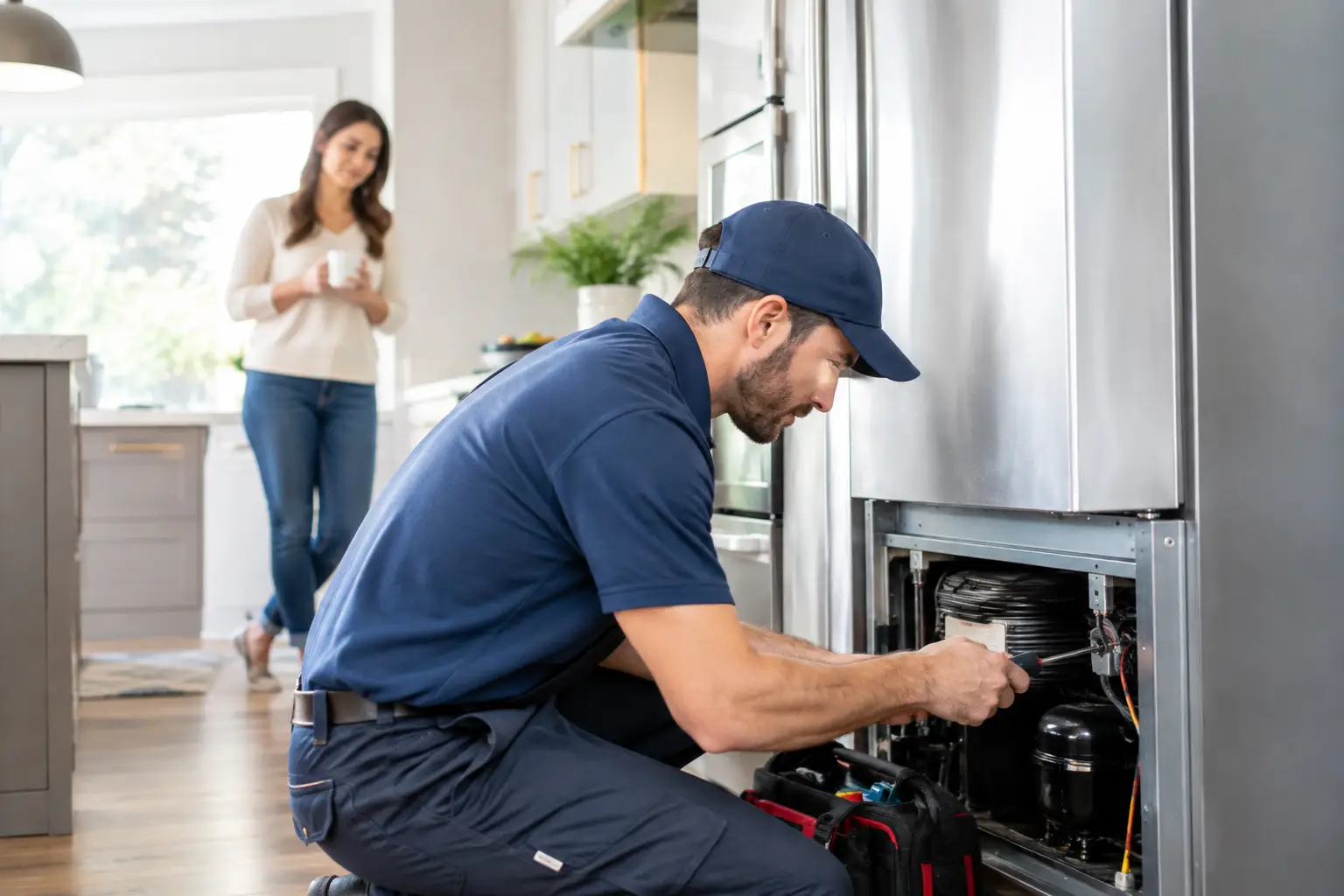
A refrigerator that stops cooling on a Sunday evening, a washer that will not drain before the school week, or an oven that fails just before dinner can throw off an entire household. Reliable appliance repair Dallas homeowners can schedule quickly is about more than fixing a machine. It is about restoring the routines your home depends on with clear answers, honest pricing, and as little disruption as possible.
For many appliance problems, waiting does not make the situation easier. A small leak can damage flooring, a struggling dryer can become a safety concern, and a refrigerator that is running but not cooling can put groceries at risk. Knowing when to call for service helps you protect both your home and your budget.
When Appliance Repair Dallas Service Makes Sense
Most major appliances give warning signs before they stop working completely. A dishwasher may leave standing water in the tub. Your dryer may take two or three cycles to dry a normal load. A cooktop burner may heat unevenly, or a refrigerator may begin cycling constantly. These are not always signs that replacement is necessary, but they are good reasons to schedule a professional diagnosis.
Homeowners often try the simple checks first, and that can be reasonable. Confirm that the appliance has power, check whether a circuit breaker has tripped, clean a clogged lint filter, or make sure a dishwasher door is fully latched. If the issue continues, however, repeated resets and guesswork can lead to wasted time or further damage.
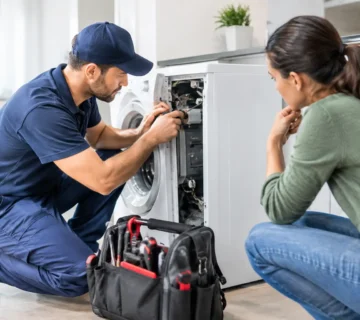
A trained technician can determine whether the problem is a worn part, drainage blockage, faulty sensor, damaged seal, electrical connection, control board, or another component failure. That distinction matters. The same symptom, such as a washer that will not start, can have several possible causes. Replacing parts without a proper diagnosis may not solve the problem.
Do Not Ignore These Appliance Warning Signs
Some issues can wait for the next available appointment. Others require you to stop using the appliance and arrange service promptly. Turn off the appliance if you notice any of these concerns:
- A burning smell, smoke, sparking, or a repeatedly tripped breaker
- A gas odor near a range, oven, or other gas appliance
- Water leaking onto the floor or into nearby cabinetry
- A dryer that becomes unusually hot or has restricted airflow
- A refrigerator that is no longer keeping food at a safe temperature
For a suspected gas leak, leave the area and follow appropriate emergency safety guidance before arranging appliance service. Do not attempt to tighten gas connections, bypass safety components, or take apart electrical panels yourself. Major appliances combine water, heat, gas, moving parts, and electricity. A professional repair is often the safer and more cost-effective choice.
What a Good Diagnosis Should Include
A service visit should start with listening to what changed and when. Details such as unusual noises, error codes, leaks, inconsistent temperatures, or whether the issue happens every cycle can help narrow the diagnosis. If you have the appliance model number available, that is useful, but it is not required to begin.
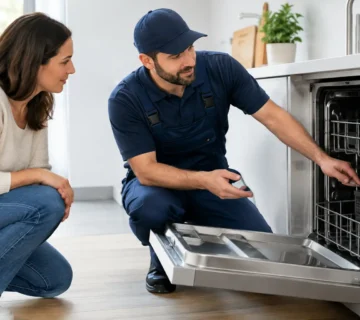
The technician should inspect the appliance, test the relevant components, and explain the likely cause in straightforward language. Before work begins, you should understand what repair is recommended, what it is expected to cost, and whether replacement parts are needed. Transparent upfront pricing gives you the information to make a practical decision without surprise charges after the work is complete.
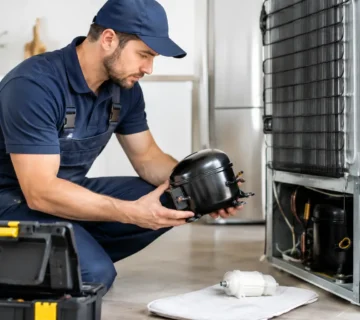
For common failures, a fully stocked service vehicle can make a real difference. Carrying frequently needed parts and tools creates a better chance of completing the repair on the first visit. Not every repair can be finished immediately, especially when a brand-specific part must be ordered, but a clear explanation of the next step keeps the process predictable.
Repair or Replace? The Answer Depends on the Failure
There is no single age at which every appliance should be replaced. A well-maintained appliance with a repairable component issue may have years of useful life left. On the other hand, an older unit with multiple expensive failures, poor efficiency, or discontinued parts may not be the best candidate for another major repair.
The decision usually comes down to the appliance’s overall condition, the cost of the recommended repair, the availability of parts, and how much useful life is likely to remain. A failed dishwasher pump or oven igniter, for example, may be a sensible repair when the rest of the appliance is in good shape. A refrigerator with repeated cooling-system problems may call for a more careful cost comparison.
An honest assessment should not pressure you into either option. The goal is to understand the repair clearly, consider the trade-offs, and choose what works for your household. For busy families and property owners, restoring a dependable appliance quickly can be worth far more than the inconvenience of shopping for, delivering, and installing a replacement.
Appliances That Benefit From Professional Service
Kitchen and laundry appliances are built differently, but they share one thing: modern models often rely on specialized sensors, electronic controls, valves, motors, and safety systems. Professional service is valuable for refrigerators, dishwashers, microwaves, range hoods, ranges, ovens, cooktops, washers, and dryers across major brands.
Cooktops and ovens, for instance, can develop issues with heating elements, igniters, temperature sensors, switches, or control boards. A dishwasher that does not clean well may have a circulation issue, spray-arm blockage, inlet problem, or detergent dispenser failure. A washer that shakes violently is not always simply unbalanced. It may involve suspension components, leveling, or a mechanical issue that should be corrected before it worsens.
Installation also deserves professional attention when gas, electrical connections, water lines, drainage, cabinetry fit, or manufacturer requirements are involved. Proper dishwasher, wall oven, gas appliance, and washer-and-dryer installation helps prevent leaks, poor performance, and avoidable safety problems from day one.
A Straightforward Service Process
Getting help should not add more stress to an already inconvenient problem. A clear process usually begins with a free consultation or quote request, followed by scheduling an appointment that fits your availability. At the visit, the technician diagnoses the issue, explains the recommendation, and provides a service agreement for approval before repairs move forward.
That approach gives you control. You know what the problem appears to be, what work is proposed, and what the expected cost will be. If a part needs to be ordered, you should receive a practical update rather than being left wondering what happens next.
IAS Appliance Solutions serves homeowners throughout Dallas and North Texas with experienced technicians, major-brand knowledge, and warranties on parts and labor. The focus is simple: make the repair process clear, complete the job correctly, and help your household get back to normal as soon as possible.
How to Prepare for Your Appointment
A little preparation can help the visit move efficiently. Clear a path to the appliance and remove dishes from the dishwasher, clothing from the washer or dryer, or food items that block access to refrigerator components when possible. If an error code appears, take a photo before it disappears. Note when the issue began and whether it happens every time the appliance runs.
You do not need to troubleshoot the repair yourself. In fact, avoid disassembling panels or moving heavy appliances unless it is safe and necessary. The most helpful thing you can provide is an accurate description of the symptoms and enough access for a proper inspection.
A working appliance rarely gets much attention, but its failure affects every meal, load of laundry, and daily plan around it. Addressing the warning signs early gives you the best chance to avoid a larger interruption and make a confident repair decision.


No comment