
A refrigerator that will not stay cold, a washer that stops mid-cycle, or an oven that will not heat can throw off an entire household schedule. When searching for appliance repair experts Texas homeowners can depend on, the goal is not simply to get an appliance running again. It is to get a clear answer, a fair price, and a repair that holds up without adding more disruption to the day.
For North Texas households, the right service call starts with a technician who can diagnose the actual problem instead of guessing at the most expensive part. That distinction matters. Modern appliances rely on electrical components, sensors, motors, switches, water valves, and control boards that can produce similar symptoms for very different reasons.
What Appliance Repair Experts in Texas Should Deliver
A dependable repair experience should feel straightforward from the first conversation. You explain the problem, schedule a visit, receive an in-home diagnosis, review the recommended work and pricing, then decide how to proceed. There should be no pressure to approve a repair before you understand what failed and why it needs attention.
Experienced technicians also recognize that an appliance failure is rarely convenient. A refrigerator problem may put groceries at risk. A broken dryer can leave a family behind on laundry. A dishwasher leak can threaten cabinets and flooring. Prompt scheduling and well-stocked service vehicles help reduce the chance that a homeowner has to wait days for a common replacement part after the diagnosis is complete.
The best outcome is often a completed repair on the first visit. That is not always possible, especially when a less common component must be ordered, but preparation makes a difference. A technician who arrives with frequently needed parts, diagnostic tools, and brand-specific knowledge can resolve many issues without unnecessary return trips.
Repair or Replace? Start With an Honest Assessment
The question homeowners ask most often is whether to repair an appliance or replace it. The answer depends on the appliance’s age, condition, repair cost, availability of parts, and how well it has performed before this failure.
A newer appliance with a failed inlet valve, heating element, door latch, drain pump, igniter, or sensor is often a sensible repair candidate. These components can wear out while the appliance itself remains in good condition. A targeted repair may restore years of useful service for substantially less than the cost of replacement and installation.
Replacement can make more sense when an appliance has repeated major failures, has extensive corrosion or damage, or requires an unusually costly sealed-system or electronic repair. It may also be the practical choice if parts are discontinued. An honest technician should explain the trade-off rather than treating every problem as a repair opportunity.
For homeowners with gas ranges, ovens, or cooktops, the decision should also account for safety. Ignition issues, gas odors, and burner problems deserve professional attention. Do not attempt to adjust gas connections or internal gas components without qualified service.
The Cost Is More Than the Part
A low part price does not always mean a simple repair. Accessing a component, testing related circuits, confirming a safe installation, and checking the appliance through a full operating cycle all take skill and time. Conversely, a part that sounds expensive may still make financial sense if it prevents the cost and hassle of replacing a built-in wall oven, a high-capacity refrigerator, or a matched washer-and-dryer set.
Clear upfront pricing helps homeowners make that decision confidently. Before work begins, you should know the recommended repair, the cost of parts and labor, and whether warranty coverage applies to the completed work.
Common Problems That Need Professional Diagnosis
Some appliance issues look simple from the outside but have multiple possible causes. A refrigerator that is warm may have dirty condenser coils, a failed fan, a defrost issue, a control problem, or a sealed-system concern. A dryer that does not heat may have a failed heating component, a tripped safety device, a power supply issue, or restricted venting.
Professional diagnosis is particularly valuable when the symptom involves inconsistent operation. For example, a cooktop may heat intermittently because of a worn burner switch, damaged wiring, or a failing control board. Replacing the wrong component can cost more than a proper diagnosis in the first place.
Call for service promptly if you notice four warning signs: burning smells, sparking or tripped breakers, water leaking onto the floor, or a gas odor near a range or oven. Turn off the appliance when it is safe to do so, avoid using it until it is inspected, and take gas-related concerns seriously.
Appliances Worth Repairing Before They Disrupt the Household
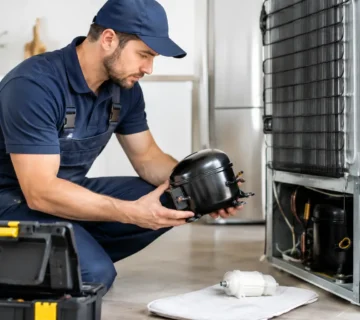
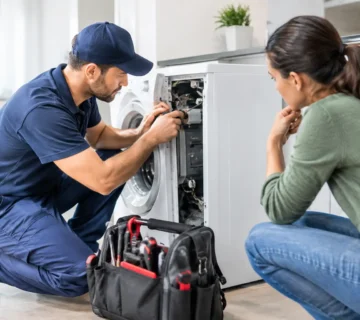
Most major household appliances can be repaired when the issue is identified early. Refrigerators may need help with cooling, ice makers, water dispensers, fans, defrost systems, or compressors. Dishwashers commonly develop draining, leaking, filling, or cleaning problems. Washers and dryers may experience spin, drainage, heating, noise, balance, or control issues.
Kitchen cooking appliances require equally careful service. Ranges, ovens, cooktops, microwaves, and range hoods can develop problems with heating, burners, displays, fans, lights, ignition, or ventilation. Built-in appliances often make repair especially worthwhile because replacement can involve cabinetry, electrical work, gas connections, and installation coordination.
Not every appliance problem calls for an emergency visit, but waiting can make a manageable repair worse. A minor dishwasher leak can become cabinet damage. A dryer with poor airflow can run longer, waste energy, and put added strain on components. A refrigerator that cycles constantly may be working harder than it should while struggling to protect food.
Why Local Experience Matters in North Texas
Local service is about more than proximity. A company serving Frisco, Plano, McKinney, Allen, Prosper, Celina, Denton, Little Elm, Aubrey, and The Colony understands that homeowners need appointments that work around commutes, school schedules, and busy family routines. Reliable communication and realistic arrival windows are part of respecting that time.
It also helps to work with a team that regularly services a wide range of major brands and appliance types. Brand familiarity can speed up diagnosis, but a good technician should never assume the answer based on a logo alone. The appliance still needs to be tested, inspected, and evaluated based on its specific symptoms.
IAS Appliance Solutions focuses on practical residential repairs and installations with a clear service process: request a consultation or quote, schedule an appointment, review the service agreement, and receive professional in-home service. The purpose is simple – restore the function your household depends on with as little interruption as possible.
How to Prepare for a Better Service Visit
A few details can help the appointment go more smoothly. If possible, note when the problem started, what happens during a cycle, and whether the appliance displays an error code. Take notice of unusual noises, leaks, odors, or changes in performance. These observations give the technician useful context, even though the final diagnosis should always come from hands-on testing.
Clear a path to the appliance and remove stored items from nearby cabinets or laundry areas when practical. For refrigerator service, protect perishable food if cooling has become unreliable. For washer or dishwasher leaks, avoid running another cycle until the cause has been checked. Small precautions can prevent a minor problem from becoming a larger cleanup.
Choose a repair provider that answers questions directly, provides a clear recommendation, and stands behind completed work with parts-and-labor warranty protection. A functioning kitchen and laundry room should not be a source of daily stress. The right technician helps make the next step clear, practical, and worth the investment.


No comment