

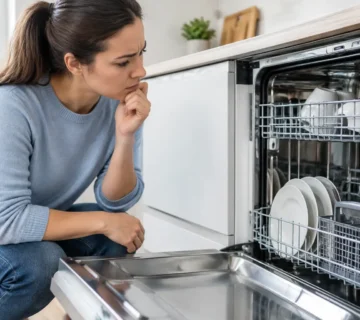
A dishwasher should make the kitchen easier to manage, not leave the room smelling sour after every cycle. If you are asking, “why does dishwasher smell bad,” the answer is usually trapped food residue, standing water, or a drainage issue. The good news is that many odors start with a cleanable buildup. The important part is knowing when the smell points to a repair problem instead.
Why Does Dishwasher Smell Bad After a Wash Cycle?
Dishwashers work in a warm, wet environment. That is exactly the kind of space where grease, small food particles, detergent film, and bacteria can collect over time. Even when dishes look clean, residue may remain in the filter, spray arms, door seal, or drain area.
A brief musty smell after the dishwasher has been closed for a day or two can be normal, particularly if the appliance is used infrequently. A strong rotten-egg, sewage, burning, or chemical odor is different. Those smells deserve attention because they may indicate a drainage, plumbing, electrical, or component issue.
The smell itself is a useful clue. Notice when it happens: immediately after opening the door, during the drain portion of a cycle, or only when the dishwasher has been sitting unused. That timing can help narrow down the cause.
Food Debris in the Filter Is a Common Cause
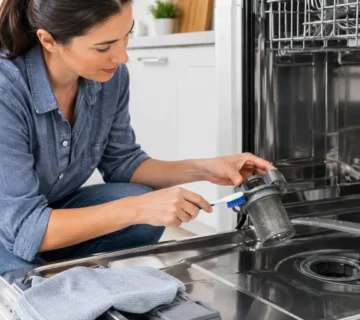
Most modern dishwashers have a removable filter near the bottom of the tub. Its job is to catch larger debris before it reaches the pump. When the filter becomes coated with food particles, grease, and soap residue, it can develop a sour or swampy odor.
Check your owner’s manual for the correct removal method, then lift out the filter and rinse it under warm running water. Use a soft brush and mild dish soap to remove buildup. Avoid forcing parts loose or using abrasive tools that can damage the mesh or plastic housing.
While the filter is out, inspect the surrounding sump area for labels, broken glass, bones, twist ties, or food scraps. Remove only visible debris that is easy to reach safely. If water remains in the bottom of the dishwasher or debris is lodged deeper in the drain area, it may be time for professional diagnosis rather than more aggressive cleaning.
The Door Gasket Can Hold Grease and Moisture
The rubber seal around the door is often overlooked because it is not visible during normal loading. Yet it can collect grease, splashes, and moisture along its folds. Wipe the gasket gently with a soft, damp cloth and mild soap, then dry it.
Do not use bleach, harsh solvents, or stiff scrubbers on the gasket. They can dry out or weaken the rubber, creating a separate problem: leaks around the dishwasher door.
Standing Water Can Create a Musty or Rotten Smell
A small amount of water may remain in the dishwasher sump by design. It helps keep pump seals from drying out. However, pooled water across the bottom of the tub, especially dirty water, is not normal.
Standing water often means the dishwasher is not draining completely. Common causes include a blocked filter, a clogged or kinked drain hose, a problem with the drain pump, or an obstruction where the dishwasher connects to the kitchen plumbing. If the dishwasher drains slowly, leaves dirty water behind, or makes an unusual humming sound while draining, a component issue becomes more likely.
Some homes also experience backflow. This occurs when dirty water from the sink drain moves into the dishwasher through the drain hose. You may notice an odor that resembles the garbage disposal or kitchen sink, along with residue in the dishwasher after the sink has been used.
A properly installed drain hose should have a high loop under the sink or connect through an air gap, depending on local plumbing requirements and the setup of the home. Improper routing can allow wastewater to return to the dishwasher. This is especially worth checking after a recent dishwasher installation, sink replacement, garbage disposal replacement, or kitchen plumbing work.
A Dirty Garbage Disposal May Be Affecting the Dishwasher
If your dishwasher drain line connects to the garbage disposal, buildup in the disposal can contribute to unpleasant dishwasher odors. Food waste in the disposal can smell bad on its own, and the odor may travel through the shared drain connection.
Run cold water and operate the disposal according to its manufacturer instructions. Do not put your hands into the disposal. If the dishwasher started smelling bad immediately after a new disposal was installed, there is another possibility: the installer may have left the dishwasher inlet knockout plug in place. That can prevent the dishwasher from draining properly and requires correction.
Detergent, Hard Water, and Short Cycles Can Leave Residue
Not every dishwasher odor comes from leftover food. Too much detergent, the wrong detergent for your water conditions, or repeated quick cycles can leave a film inside the machine. In parts of North Texas with hard water, mineral deposits can combine with soap residue and create a dull coating on the tub, racks, and internal components.
Use dishwasher detergent as directed, not extra detergent to compensate for a fuller load. Also avoid packing dishes so tightly that water cannot circulate. A quick cycle may be convenient for lightly soiled dishes, but it is not always enough to clear grease and residue from the appliance itself.
Run an empty cleaning cycle using a dishwasher cleaner that is approved for your appliance. Follow the product instructions and your dishwasher manual. This can help remove detergent film and mineral buildup, but it will not fix a failed drain pump, damaged hose, or plumbing backflow issue.
When the Odor May Signal a Repair Need
A dishwasher that smells bad but otherwise runs normally may only need routine cleaning. Still, certain symptoms suggest the problem is beyond maintenance. Schedule service if the odor persists after cleaning the filter, gasket, and interior, or if you notice one or more of these signs:
- Water remains at the bottom after the cycle ends.
- Dirty water returns to the tub after the dishwasher drains.
- The dishwasher leaks, drains slowly, or stops mid-cycle.
- You hear grinding, repeated humming, or unusual drain-pump noises.
- The smell is electrical, smoky, or similar to melting plastic.
- The odor is strongly sewage-like and appears connected to sink drainage.
An electrical or burning smell should not be ignored. Turn the dishwasher off, avoid running another cycle, and arrange for service. Continuing to operate an appliance with a possible wiring, motor, or control issue can cause more damage and may create a safety concern.
A sewage odor also calls for a careful assessment. The source may be the dishwasher drain setup, the garbage disposal connection, or a broader household plumbing issue. Replacing parts without identifying the source can waste time and money.
Simple Habits That Help Prevent Dishwasher Odors
You do not need to prewash every dish, but scraping large food particles into the trash or disposal before loading makes a difference. Clean the filter regularly, especially in a busy household that runs the dishwasher daily. Wipe the door gasket once in a while, and leave the door slightly cracked after a cycle if moisture tends to linger in the tub.
It also helps to use the dishwasher regularly. Long periods of inactivity can allow stagnant water and residue to smell stronger. If the appliance sits unused for weeks, run a normal empty cycle before loading a full batch of dishes.
For homeowners in Frisco, Plano, McKinney, Denton, and surrounding North Texas communities, a persistent dishwasher odor is not something you have to keep masking with cleaners. IAS Appliance Solutions can diagnose drainage, pump, installation, and dishwasher component concerns with an honest assessment and upfront service guidance.
A clean dishwasher should smell neutral, drain completely, and be ready when your household needs it. If basic cleaning does not change the odor, addressing the underlying cause early can prevent dirty water, poor wash results, and a bigger interruption to your kitchen routine.





No comment