A new dishwasher, wall oven, washer, or gas range should make home life easier – not create a leak under the cabinet, a tripped breaker, or a kitchen that cannot be used for days. Proper appliance installation is about more than getting a new unit into place. It is the work of confirming that the appliance, home connections, ventilation, and safety requirements all match before the first cycle, load, or meal.
For busy North Texas households, those details matter. A connection that seems minor can lead to water damage, poor drying, unreliable heating, gas safety concerns, or an early service call. Professional installation gives homeowners a clear path from delivery to dependable everyday use.
Why Professional Appliance Installation Matters
Modern appliances are built with tighter installation requirements than many older models. A replacement unit may look similar to the one leaving your home, but its electrical needs, water-line placement, venting specifications, cutout dimensions, and connection locations can be different. This is especially common with wall ovens, dishwashers, gas appliances, and stacked laundry units.
A trained technician evaluates the full setup rather than forcing the appliance into an existing space. That includes checking whether the supply lines are in usable condition, whether the outlet or hardwired connection is appropriate, whether the appliance is level, and whether doors, drawers, and nearby cabinets can operate normally. When an issue is found, homeowners can make an informed decision before a small installation problem becomes a larger repair.
Professional service also reduces unnecessary risk. Gas connections, high-voltage electrical wiring, water lines, drain hoses, and dryer exhaust systems all require careful handling. The goal is not simply to finish quickly. It is to complete the work correctly while protecting your home and avoiding surprise problems after the technician leaves.
What a Complete Installation Should Include
The right scope depends on the appliance and the condition of the home. A straightforward washer replacement is different from installing a gas cooktop in a remodeled kitchen. Still, a quality appointment should begin with an assessment of the appliance and the connections it relies on.
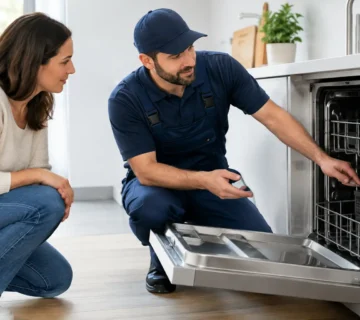
For a dishwasher, that usually means reviewing the water supply, drain routing, electrical connection, mounting points, and door clearance. The dishwasher must be secure, level, and tested for proper filling and draining. A drain hose installed at the wrong height or without the required routing can cause drainage problems that look like an appliance failure later.
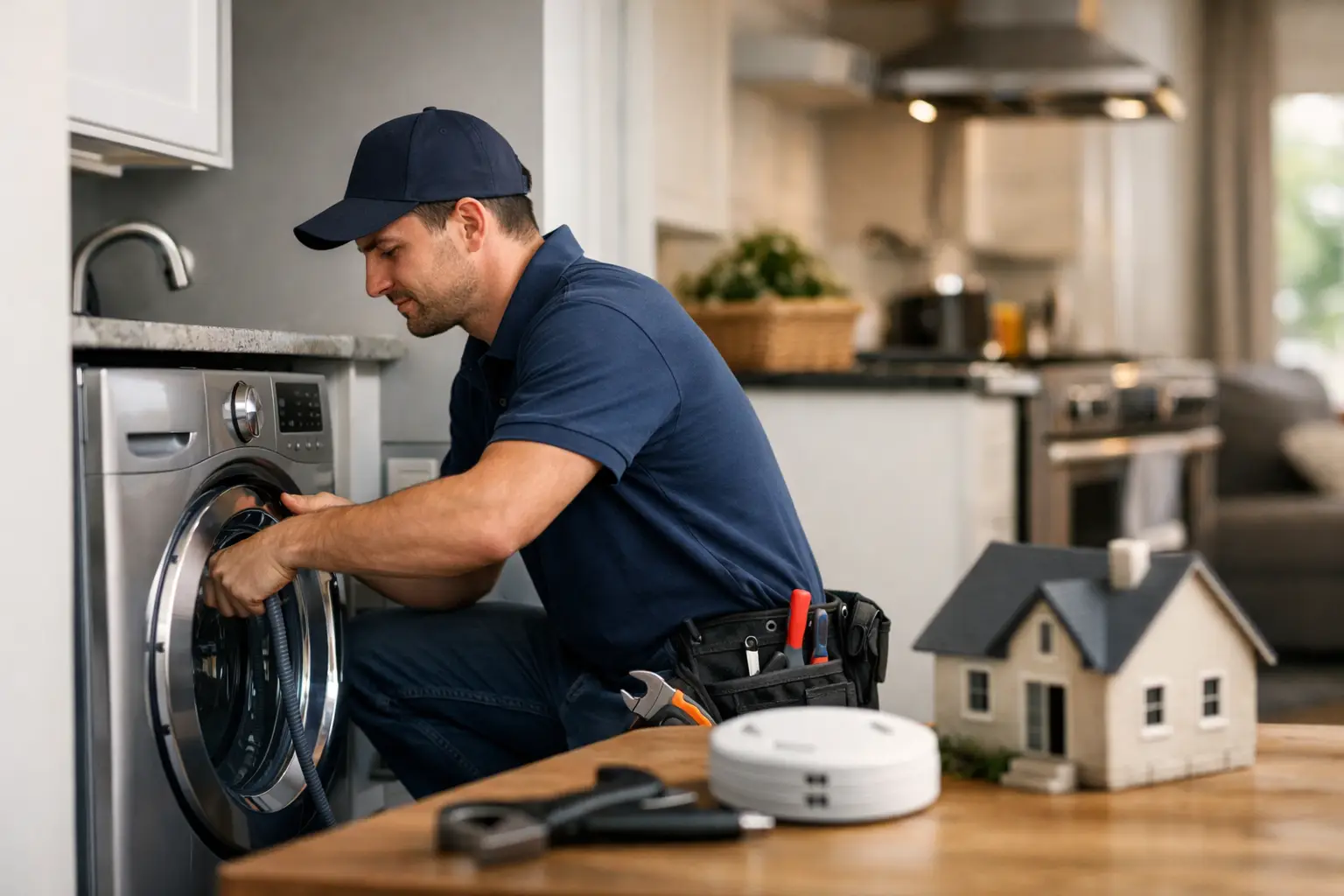
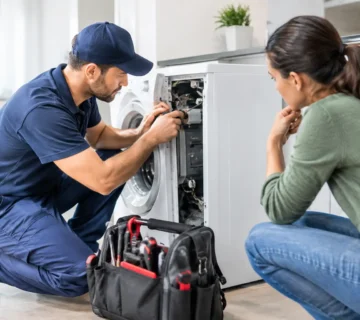
Washer and dryer installation requires its own set of checks. A washer needs stable water connections, a correctly positioned drain hose, and a level footing to minimize movement and vibration. For dryers, the power source and venting are just as important as the machine itself. Restricted, crushed, or poorly routed dryer venting can reduce drying performance and may create a serious safety concern.
Wall ovens and cooktops need precise fitment and appropriate electrical or gas connections. Cabinet openings, clearances, securing hardware, and circuit requirements all affect whether the unit can be installed safely. With gas appliances, the connection should be tested carefully before the appliance is placed into regular use.
Common Problems Found Before Installation
Homeowners often assume that a new appliance will connect exactly where the old one did. Sometimes it will. Other times, an installation appointment reveals an issue that has been hidden behind the appliance for years.
A worn shutoff valve may not fully close when it is time to replace a dishwasher or washer. A refrigerator water line may be brittle. An electrical outlet may be loose, damaged, or not suited to the appliance being installed. A dryer vent behind the unit may be full of lint or too long for effective airflow. In kitchens, an older cabinet cutout may not match the dimensions of a new wall oven or cooktop.
These findings are not necessarily a reason to cancel the installation. They are the reason an experienced technician inspects the setup first. Honest communication about what is ready, what needs adjustment, and what may require another trade helps prevent rushed decisions and hidden charges.
Preparing Your Home for an Installation Appointment
A little preparation helps the appointment stay efficient. Make sure there is a clear path from the entry point to the appliance location, including hallways, stairs, and doorways. Remove dishes from a dishwasher, laundry from machines, and loose items from surrounding cabinets or counters where access is needed.
If an existing appliance is still connected, ask in advance whether removal and haul-away are included in the scheduled service. Delivery teams and installation technicians may have different responsibilities, so clarity before the appointment prevents delays.
It also helps to have the new appliance model information available. The model number allows the technician to verify installation requirements and identify potential compatibility concerns. If you have noticed a past problem with the old appliance – such as a slow drain, a leaking valve, repeated tripped breakers, or poor dryer performance – mention it. The old appliance may have been masking a connection issue that the new one cannot solve.
Finally, plan for access to the water shutoff, electrical panel, and gas shutoff if applicable. These are practical details, but they can make the difference between a smooth visit and a delayed installation.
When an Existing Connection Needs Attention
Not every home is immediately ready for a replacement appliance. This does not mean the appliance is defective or that the project has gone wrong. It means the installation needs to respect the condition of the home.
For example, an aging water valve may need replacement before a washer or dishwasher can be connected with confidence. A dryer may need improved vent routing rather than being pushed back against a crushed flex duct. A wall oven may reveal that the existing wiring, breaker, or cabinet opening needs additional work. Gas appliance installation may require attention to the shutoff valve, connector, or line configuration.
The best approach is a transparent one: identify the issue, explain why it matters, and discuss practical next steps. Homeowners should never feel pressured to approve work they do not understand. A dependable service provider explains the recommendation in plain language and gives you the information needed to decide.
Appliance Installation and Long-Term Performance
Installation quality has a direct effect on how an appliance performs over time. An unlevel washer can shake excessively and place added stress on internal parts. A dishwasher that is not secured properly can shift when racks are loaded. A poorly connected dryer vent can lengthen drying times and leave laundry damp. An incorrectly fitted wall oven may affect safe operation, airflow, or access for future service.
There is also a practical warranty consideration. Manufacturers may require appliances to be installed according to their published instructions. Keeping the appliance documentation and service paperwork gives you a useful record of what was installed and when.
At IAS Appliance Solutions, installation work is approached with the same focus used for in-home repairs: clear expectations, careful workmanship, and minimal interruption to your household. Whether the job involves a dishwasher, gas appliance, wall oven, or washer and dryer, the objective is a setup that works properly from the start.
Choosing the Right Installer for the Job
The lowest advertised price is not always the lowest overall cost. A basic hookup may exclude key checks, testing, adjustments, or the time needed to address an obvious connection concern. Before scheduling, ask what the service includes, whether your appliance type is covered, and how unexpected site conditions are handled.
Experience with major brands is valuable, but so is a technician’s willingness to slow down long enough to verify the important details. You want straightforward pricing, a clear explanation of the work, and a technician who treats your home with care. For gas, electrical, water, and venting-related tasks, that standard is worth insisting on.
A well-installed appliance should fade into the background of your day. It should wash the dishes, dry the clothes, heat the meal, or support your routine without giving you another household problem to manage. Starting with the right installation is one of the simplest ways to keep it that way.


No comment