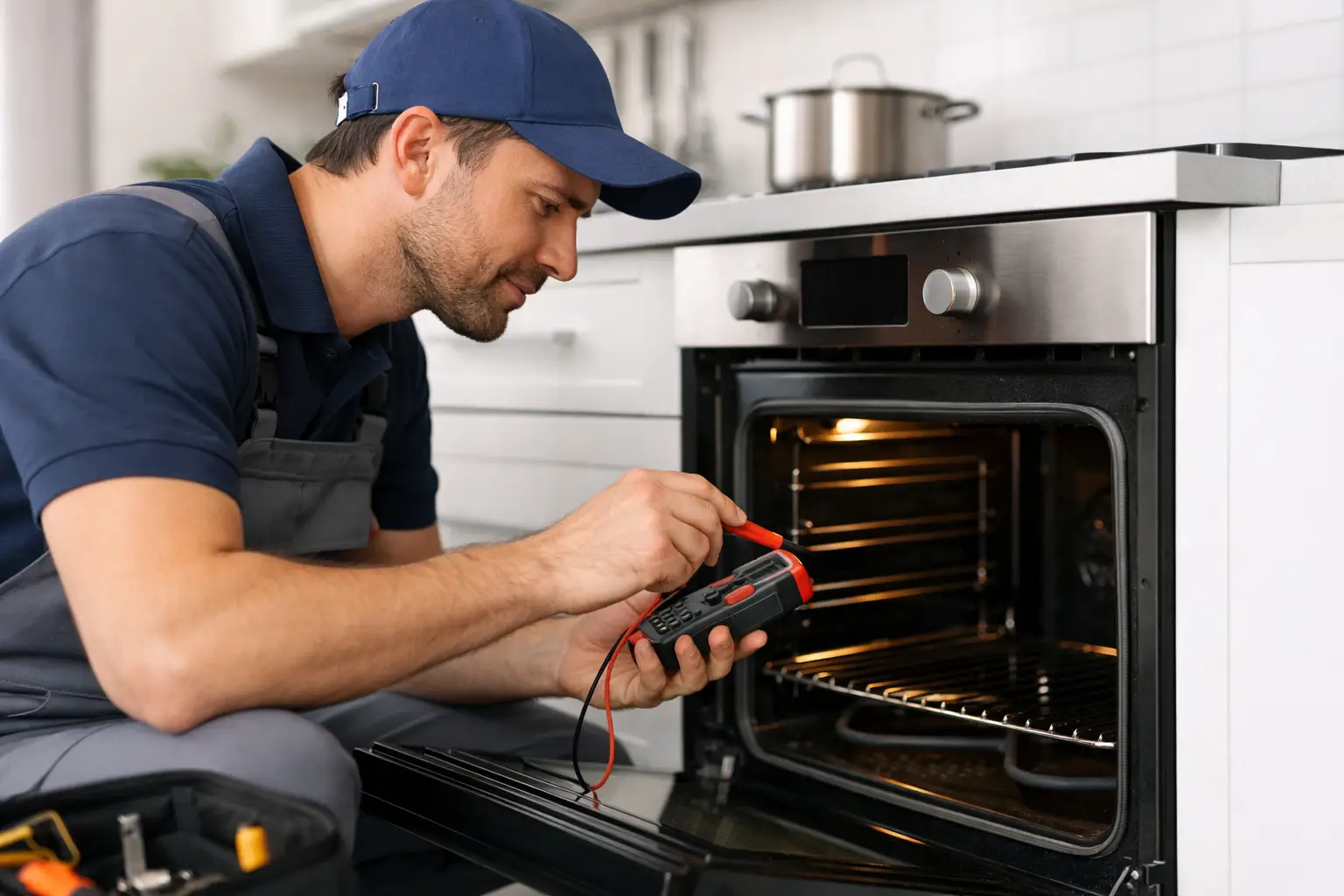
A cold oven can derail more than dinner. Meal prep, school-night routines, holiday baking, and a busy household schedule can all come to a stop when the display turns on but the oven never reaches temperature. Professional oven not heating repair service helps identify the actual failure quickly, so you are not left guessing whether the issue is a setting, a heating element, a sensor, or something more complex.
For homeowners, the goal is simple: get a clear answer, approve only the repair that makes sense, and restore a dependable kitchen with as little disruption as possible. A trained appliance technician can diagnose the problem safely and explain the recommended next step in plain language.
Why an Oven Powers On but Will Not Heat
An oven can appear to be working even when its heating system has failed. The clock may be lit, the interior light may turn on, and the control panel may respond normally. None of those signs confirm that the oven can create and maintain the heat needed to cook food properly.
In electric ovens, a failed bake element or broil element is a common cause. These components create the heat inside the oven cavity. An element may burn out, crack, blister, or lose its electrical connection. In some cases, it looks normal but no longer receives or carries the power required to heat.
Gas ovens have a different set of likely causes. A weak or failed igniter may not become hot enough to open the gas valve, leaving the oven cold even though the cooktop burners still work. The issue could also involve the gas valve, wiring, or an oven safety component. Because gas appliances require careful handling, professional diagnosis is the safer choice when heating performance changes.
A temperature sensor, thermostat, control board, relay, damaged wiring, or tripped circuit can also prevent normal operation. Modern wall ovens and ranges rely heavily on electronic controls, so a fault may involve more than the part that visibly produces heat.
Signs You Need Oven Not Heating Repair Service
A complete loss of heat is the clearest warning sign, but many oven problems start with inconsistent performance. Food that takes much longer than usual to cook, cookies that brown unevenly, or a preheat cycle that never finishes can all point to a developing issue.
You may also notice that the broiler works but the bake setting does not, or that the oven heats only at certain temperatures. An error code, burning odor, sparking, popping sound, or repeatedly tripped breaker deserves prompt attention. Turn the appliance off if you smell gas, see smoke, or notice signs of electrical damage. Do not continue testing it by repeatedly starting cooking cycles.
It is tempting to rely on an inexpensive oven thermometer and adjust cooking times, especially if the oven still produces some heat. That can be a short-term workaround for a minor calibration issue, but it will not resolve a failed component or electrical fault. It can also lead to undercooked food and more frustration over time.
What a Technician Checks During an Oven Repair Visit
Effective oven repair begins with diagnosis, not part swapping. A technician will ask what the oven is doing, when the issue began, whether it affects bake, broil, convection, or every setting, and whether the appliance has shown an error message. Those details help narrow the likely cause before testing begins.
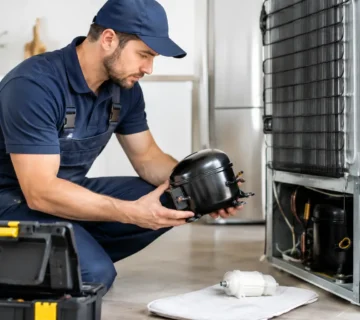
During the visit, the technician may inspect the heating elements or igniter, check the oven sensor, evaluate electrical connections, and test the controls that send power to key components. For a gas oven, the technician will assess ignition and gas-flow-related parts using the appropriate safety procedures. The process is designed to identify the failed part and confirm that no related issue will keep the repair from lasting.
The best repair is not always the same for every appliance. Replacing a worn bake element can be straightforward, while an older oven with a failed control board may call for a more careful repair-versus-replacement discussion. The oven’s age, brand, overall condition, part availability, and cost of the repair all matter. An honest assessment gives you the information needed to make the right decision for your household.
Why Professional Diagnosis Matters
Ovens combine high heat, electrical connections, electronic components, and, in gas models, fuel supply. Replacing parts without confirming the failure can waste money and may create additional safety concerns. A control board can be damaged by improper testing, and a gas ignition problem should not be treated as a do-it-yourself experiment.
Professional service also protects against misdiagnosis. For example, an oven that will not heat may have a bad element, but it may also have a failed relay that is not sending power to that element. Replacing the visible part alone would not solve the problem. Accurate testing helps avoid repeat appointments and unnecessary replacement parts.
For Dallas-Fort Worth-area homeowners, IAS Appliance Solutions provides experienced service for major oven brands with a focus on clear communication, upfront pricing, and repairs completed on the first visit whenever possible. Fully stocked service vehicles can make a meaningful difference when a commonly needed part is available at the appointment.
What to Do Before Your Appointment
A few simple details can help make the service visit more efficient. Write down the oven brand and model number if it is accessible, along with any error code shown on the display. Note whether the oven fails on bake, broil, convection, or all modes, and whether the cooktop is working normally on a range.
Clear cookware and storage items from the oven and the area around it before the technician arrives. If the appliance is a wall oven, make sure the space in front of the unit is accessible. There is no need to take the oven apart or attempt a repair beforehand. Leaving the appliance in its current condition allows the technician to evaluate the problem accurately.
If you suspect a gas leak, leave the area, avoid switches or flames, and contact the appropriate emergency utility resource. For non-emergency concerns, turn the oven off and schedule service rather than continuing to use an appliance that is heating unpredictably.
A Straightforward Repair Process
Getting help should not add more stress to an already inconvenient problem. The process begins with a consultation to discuss the symptoms and your appliance. From there, you schedule an appointment that fits your availability.
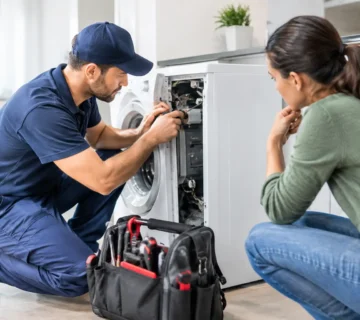
At the visit, the technician diagnoses the failure and explains the recommended repair before work moves forward. You can review the service agreement and pricing without hidden fees or surprise charges. Once approved, the technician completes the repair when possible, tests oven operation, and helps confirm that the appliance is heating as it should.
Some repairs require ordering a brand-specific or less common part. When that happens, a clear explanation of timing and next steps matters just as much as the repair itself. A dependable service company should keep you informed rather than leaving you to wonder what happens next.
When Repair Makes More Sense Than Replacement
Many no-heat problems are repairable, particularly when the oven is otherwise in good condition. Heating elements, igniters, sensors, and certain switches are common service items. Repair can be a practical way to extend the useful life of an appliance and avoid the cost and disruption of replacing a built-in wall oven or matching range.
Replacement may be worth considering when an appliance has multiple major failures, extensive electrical damage, discontinued parts, or a repair cost that is difficult to justify based on its age and condition. There is no one-size-fits-all rule. The right choice depends on the specific diagnosis, not simply on the fact that the oven stopped heating.
A functioning oven keeps daily life moving, whether you are preparing a quick weeknight meal or cooking for a full house. When yours will not heat, timely professional service can turn an uncertain appliance problem into a clear, manageable repair decision.



No comment